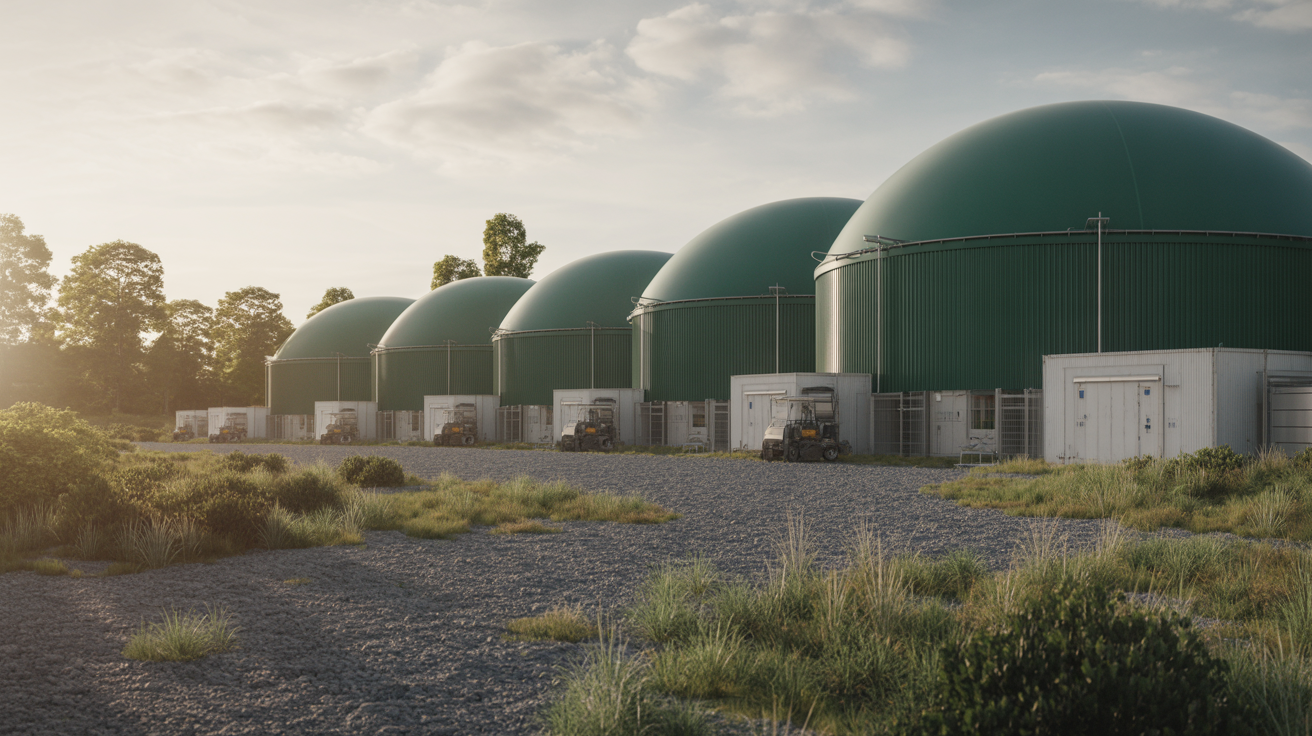
Renewable Natural Gas (RNG), also known as biogas, is a sustainable alternative to fossil fuels. It is produced from organic materials like food waste, manure, and agricultural residues. This glossary aims to explain the key terms associated with RNG, providing a comprehensive understanding of the subject.
Understanding these terms is crucial for anyone interested in renewable energy, environmental science, or sustainable development. The glossary is structured to provide a clear and detailed explanation of each term, making the complex subject of RNG more accessible to a general audience.
Renewable Natural Gas (RNG)
Renewable Natural Gas (RNG) is a type of biofuel that is produced from organic waste materials. It is considered renewable because it is continuously produced by natural processes. RNG can be used in the same ways as conventional natural gas, including heating homes, cooking, and fueling vehicles.
Unlike fossil fuels, RNG is not a finite resource. It is produced as part of the natural carbon cycle, meaning it can be replenished over time. This makes it a more sustainable energy source compared to fossil fuels, which take millions of years to form and are rapidly depleting.
Production of RNG
RNG is produced through a process called anaerobic digestion. This involves the breakdown of organic materials by microorganisms in the absence of oxygen. The process produces a mixture of gases, primarily methane and carbon dioxide, which is then purified to produce RNG.
There are several steps involved in the production of RNG. First, the organic waste materials are collected and sorted. Then, they are placed in an anaerobic digester, where they are broken down by microorganisms. The resulting biogas is then captured and purified to remove impurities, resulting in RNG.
Uses of RNG
RNG can be used in a variety of applications. It can be used as a direct replacement for natural gas in homes and businesses, for cooking, heating, and electricity generation. It can also be used as a fuel for vehicles, particularly heavy-duty vehicles like buses and trucks.
One of the key benefits of RNG is its versatility. It can be used in existing natural gas infrastructure without any modifications. This makes it a practical and cost-effective solution for reducing greenhouse gas emissions.
Biogas
Biogas is a type of biofuel that is produced from organic waste materials. It is primarily composed of methane and carbon dioxide, with small amounts of other gases. Biogas is produced through a process called anaerobic digestion, which involves the breakdown of organic materials by microorganisms in the absence of oxygen.
Biogas is a renewable energy source, as it is continuously produced by natural processes. It can be used in a variety of applications, including heating, cooking, and electricity generation. However, it is less pure than RNG and may require further processing before it can be used.
Production of Biogas
Biogas is produced through a process called anaerobic digestion. This involves the breakdown of organic materials by microorganisms in the absence of oxygen. The process produces a mixture of gases, primarily methane and carbon dioxide, which is then captured and used as biogas.
The production of biogas involves several steps. First, the organic waste materials are collected and sorted. Then, they are placed in an anaerobic digester, where they are broken down by microorganisms. The resulting biogas is then captured and can be used directly or further processed to produce RNG.
Uses of Biogas
Biogas can be used in a variety of applications. It can be used for cooking and heating in homes and businesses, as well as for electricity generation. It can also be used as a fuel for vehicles, although it may require further processing to remove impurities.
One of the key benefits of biogas is its sustainability. It is produced from waste materials that would otherwise be discarded, reducing the amount of waste that goes to landfill. It also helps to reduce greenhouse gas emissions by capturing methane, a potent greenhouse gas, and using it as a source of energy.
Anaerobic Digestion
Anaerobic digestion is a process that involves the breakdown of organic materials by microorganisms in the absence of oxygen. It is used to produce biogas and RNG, as well as other products like compost and fertilizers.
The process of anaerobic digestion involves several steps. First, the organic waste materials are collected and sorted. Then, they are placed in an anaerobic digester, where they are broken down by microorganisms. The resulting biogas is then captured and can be used directly or further processed to produce RNG.
Process of Anaerobic Digestion
The process of anaerobic digestion involves several steps. First, the organic waste materials are collected and sorted. These materials can include food waste, manure, and agricultural residues. They are then placed in an anaerobic digester, a sealed container where the digestion process takes place.
Inside the digester, the organic materials are broken down by microorganisms. This process produces a mixture of gases, primarily methane and carbon dioxide, which is then captured. The remaining solid and liquid materials can be used as compost and fertilizers.
Benefits of Anaerobic Digestion
There are several benefits to anaerobic digestion. First, it is a sustainable way to produce energy. The process uses waste materials that would otherwise be discarded, reducing the amount of waste that goes to landfill. It also captures methane, a potent greenhouse gas, and uses it as a source of energy.
Another benefit of anaerobic digestion is that it produces valuable byproducts. The remaining solid and liquid materials can be used as compost and fertilizers, providing a sustainable way to enrich soil and promote plant growth. This makes anaerobic digestion a key component of a circular economy, where waste materials are reused and recycled instead of being discarded.
Conclusion
The terms associated with RNG and biogas are crucial for understanding the role these renewable energy sources play in a sustainable future. By understanding these terms, individuals can better comprehend the processes, benefits, and applications of RNG and biogas, and how they contribute to reducing greenhouse gas emissions and promoting a circular economy.
As the world continues to grapple with the challenges of climate change and resource depletion, renewable energy sources like RNG and biogas will play an increasingly important role. Understanding the terms associated with these energy sources is a crucial step towards a more sustainable future.