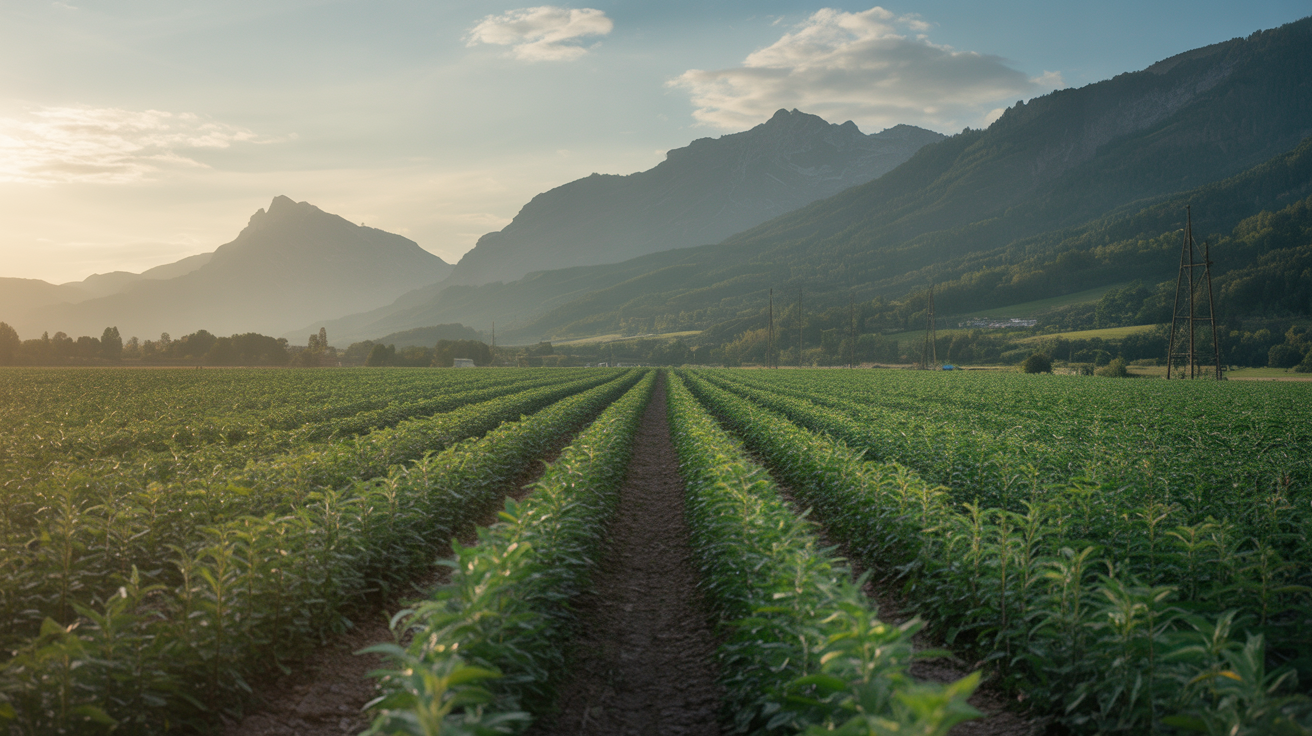
Introduction to Renewable Resources
Renewable resources are natural resources that can be replenished naturally over time, ensuring a sustainable supply for future generations. These resources are crucial in the context of the bioeconomy, which emphasizes the use of biological materials for the production of food, energy, and other goods. The significance of renewable resources lies in their ability to reduce dependence on fossil fuels, mitigate climate change, and promote environmental sustainability.
In the bioeconomy, renewable resources encompass a wide range of materials, including biomass, agricultural products, and forestry resources. These resources can be transformed into various products, such as biofuels, bioplastics, and pharmaceuticals, thereby contributing to a circular economy where waste is minimized, and resources are reused. Understanding the role of renewable resources in the bioeconomy is essential for developing sustainable practices that benefit both the economy and the environment.
The Role of Biomass in the Bioeconomy
Biomass is one of the most significant renewable resources in the bioeconomy. It refers to organic materials derived from plants and animals that can be used for energy production, material manufacturing, and as a source of food. Biomass can be categorized into several types, including agricultural residues, forestry products, and dedicated energy crops. Each type of biomass has unique properties and applications, making it a versatile resource in the bioeconomy.
One of the primary uses of biomass is in the production of biofuels, such as biodiesel and bioethanol. These fuels are derived from the fermentation or transesterification of biomass and serve as sustainable alternatives to conventional fossil fuels. The use of biofuels can significantly reduce greenhouse gas emissions and enhance energy security by diversifying the energy supply. Moreover, biomass can also be converted into biogas through anaerobic digestion, providing a renewable source of energy for heating and electricity generation.
Types of Biomass
- Agricultural Residues: These include crop leftovers, such as straw and husks, which can be utilized for energy production or as feedstock for bioproducts.
- Forestry Products: Wood chips, sawdust, and other by-products from the forestry industry can be converted into biofuels or used in biocomposites.
- Dedicated Energy Crops: Plants specifically grown for energy purposes, such as switchgrass and miscanthus, offer high yields and can be cultivated on marginal lands.
Sustainable Practices in the Bioeconomy
Implementing sustainable practices is vital for the effective utilization of renewable resources within the bioeconomy. Sustainability in this context refers to the responsible management of biological resources to ensure that they meet current needs without compromising the ability of future generations to meet their own needs. This involves adopting practices that minimize environmental impact, promote biodiversity, and enhance ecosystem services.
One of the key sustainable practices is the adoption of agroecological methods in agriculture. Agroecology emphasizes the integration of ecological principles into agricultural systems, promoting practices such as crop rotation, intercropping, and organic farming. These methods enhance soil health, reduce the need for chemical inputs, and increase resilience to climate change. Additionally, sustainable forestry practices, such as selective logging and reforestation, help maintain forest ecosystems while providing renewable timber and non-timber forest products.
Benefits of Sustainable Practices
- Environmental Protection: Sustainable practices help preserve natural habitats, reduce pollution, and combat climate change.
- Economic Viability: By optimizing resource use and reducing waste, sustainable practices can lead to cost savings and increased profitability for businesses.
- Social Equity: Engaging local communities in sustainable resource management fosters social inclusion and empowers stakeholders.
The Impact of Technology on Renewable Resources
Advancements in technology play a crucial role in enhancing the efficiency and effectiveness of renewable resource utilization within the bioeconomy. Innovative technologies enable the conversion of biomass into high-value products, improve resource management practices, and facilitate the development of new bio-based materials. For instance, biotechnological processes, such as fermentation and enzymatic hydrolysis, allow for the efficient conversion of biomass into biofuels and biochemicals.
Moreover, the integration of digital technologies, such as precision agriculture and data analytics, enhances resource management by enabling farmers to monitor crop health, optimize inputs, and reduce waste. These technologies contribute to increased productivity and sustainability in agricultural practices, ensuring that renewable resources are utilized efficiently. Additionally, advancements in material science have led to the development of bioplastics and biodegradable materials, which provide sustainable alternatives to conventional plastics.
Examples of Technological Innovations
- Biorefinery Technologies: Facilities that convert biomass into a range of bio-based products, including fuels, chemicals, and materials.
- Genetic Engineering: Techniques used to enhance the traits of crops, making them more resilient and productive.
- Smart Farming Tools: Technologies such as drones and IoT devices that provide real-time data for better decision-making in agriculture.
Challenges in Utilizing Renewable Resources
Despite the numerous benefits associated with renewable resources, several challenges hinder their widespread adoption in the bioeconomy. One of the primary challenges is the competition for land and resources between food production and bioenergy crops. As the demand for biofuels and bioproducts increases, there is a risk of diverting land away from food production, potentially leading to food insecurity and higher prices.
Another significant challenge is the need for infrastructure development to support the processing and distribution of bio-based products. Many regions lack the necessary facilities for biomass processing, which can limit access to renewable resources and hinder market growth. Additionally, the fluctuating prices of biomass feedstocks can create uncertainty for investors and businesses, making it difficult to establish stable supply chains.
Addressing the Challenges
- Integrated Land Use Planning: Developing strategies that balance land use for food production, energy crops, and conservation.
- Investment in Infrastructure: Encouraging public and private investments in processing facilities and transportation networks for bio-based products.
- Policy Support: Implementing supportive policies and incentives that promote the use of renewable resources and bio-based products.
The Future of Renewable Resources in the Bioeconomy
The future of renewable resources in the bioeconomy looks promising, with increasing recognition of their potential to drive sustainable development. As global awareness of environmental issues grows, there is a shift towards adopting renewable resources as viable alternatives to fossil fuels and non-renewable materials. This transition is supported by advancements in technology, research, and policy frameworks that promote the sustainable use of biological resources.
Moreover, the circular economy model, which emphasizes resource efficiency and waste reduction, aligns closely with the principles of the bioeconomy. By focusing on the lifecycle of products and materials, the bioeconomy can contribute to a more sustainable and resilient economy. The integration of renewable resources into various sectors, including agriculture, energy, and manufacturing, will play a crucial role in achieving sustainability goals and addressing global challenges such as climate change and resource depletion.
Key Trends Shaping the Future
- Increased Investment: Growing interest from investors in sustainable technologies and bio-based products.
- Consumer Demand: Rising consumer preference for eco-friendly products and sustainable practices.
- Global Collaboration: Enhanced cooperation between governments, businesses, and research institutions to advance the bioeconomy.
Conclusion
Renewable resources are at the heart of the bioeconomy, offering sustainable solutions to some of the most pressing challenges facing our planet. By harnessing the potential of biomass and other renewable materials, we can create a more sustainable and resilient economy that benefits both people and the environment. The continued development of technologies, sustainable practices, and supportive policies will be essential in realizing the full potential of renewable resources in the bioeconomy.
As we move forward, it is imperative to foster innovation, collaboration, and education to ensure that renewable resources are utilized effectively and sustainably. By embracing the principles of the bioeconomy, we can pave the way for a greener future that prioritizes the health of our planet and the well-being of future generations.
Discover Your Bioeconomy Potential with Nexus
Ready to transform the way you approach the bioeconomy? Nexus is your gateway to unlocking bankable results and turning the sustainable potential of renewable resources into reality. Our platform empowers you to make informed decisions with speed and precision, leveraging dynamic analysis tools to assess feedstock potential and streamline your project development. Embrace the future of the bioeconomy with confidence. Get Started today and revolutionize your project planning with Nexus.