Introduction to Biodegradable Materials
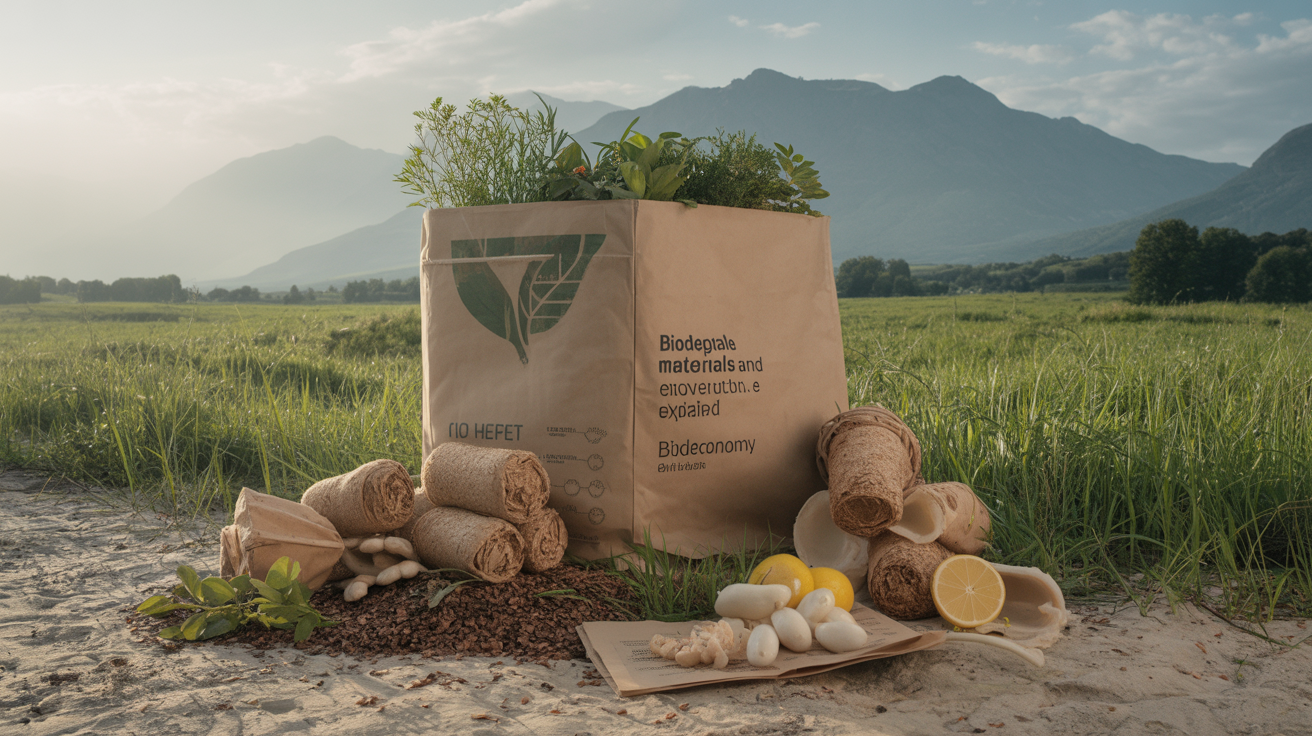
Biodegradable materials are substances that can be broken down by microorganisms into natural elements, such as water, carbon dioxide, and biomass, within a relatively short period of time after disposal. This process is vital for reducing waste and minimizing environmental impact. The concept of biodegradability is central to the bioeconomy, which emphasizes sustainable production and consumption practices that utilize renewable biological resources. Understanding biodegradable materials is crucial for promoting a circular economy where waste is minimized, and resources are reused effectively.
Biodegradable materials can be derived from various sources, including natural polymers such as starch, cellulose, and proteins, as well as synthetic polymers designed to decompose. The effectiveness of biodegradation depends on several factors, including the material's chemical structure, environmental conditions, and the presence of microorganisms capable of breaking down the material. As society increasingly seeks sustainable alternatives to conventional plastics and other non-biodegradable materials, the development and application of biodegradable materials have gained significant attention in both research and industry.
Types of Biodegradable Materials
Natural Biodegradable Materials
Natural biodegradable materials are derived from renewable biological resources. These materials are typically composed of organic compounds that can be broken down by microorganisms. Common examples include:
- Starch-based materials: Derived from crops like corn and potatoes, starch can be processed into films and containers that decompose effectively.
- Cellulose: Sourced from plant fibers, cellulose can be transformed into biodegradable films and packaging materials.
- Proteins: Materials such as gelatin and casein, derived from animal sources, can be used in biodegradable films and coatings.
These natural materials are often favored for their environmental benefits, as they typically have lower carbon footprints compared to synthetic alternatives. However, their production can still have ecological impacts, such as land use changes and resource consumption, which must be managed sustainably.
Synthetic Biodegradable Materials
Synthetic biodegradable materials are engineered polymers designed to break down under specific environmental conditions. These materials are often produced through chemical processes that modify the structure of traditional plastics to enhance their biodegradability. Examples include:
- Polylactic acid (PLA): Made from fermented plant starch, PLA is widely used in packaging, disposable tableware, and 3D printing.
- Polyhydroxyalkanoates (PHA): Produced by microbial fermentation of sugars or lipids, PHAs are used in various applications, including packaging and medical devices.
- Starch-blend plastics: These materials combine starch with conventional plastics to create products that are partially biodegradable.
Synthetic biodegradable materials offer the advantage of versatility and can be tailored for specific applications. However, their production processes can be energy-intensive, and the end-of-life disposal methods must be carefully considered to ensure effective biodegradation.
The Role of Biodegradable Materials in the Bioeconomy
The bioeconomy encompasses economic activities that utilize renewable biological resources to produce food, materials, and energy. Biodegradable materials play a pivotal role in this framework by providing sustainable alternatives to fossil fuel-based products. They contribute to the bioeconomy in several ways:
- Reducing waste: By replacing non-biodegradable materials, biodegradable options help decrease the volume of waste that ends up in landfills and oceans.
- Promoting resource efficiency: The use of renewable materials reduces reliance on finite resources, supporting a more sustainable production cycle.
- Encouraging innovation: The demand for biodegradable materials drives research and development, leading to new technologies and processes that can further enhance sustainability.
Moreover, biodegradable materials can help mitigate climate change by reducing greenhouse gas emissions associated with waste decomposition and the production of conventional plastics. As the bioeconomy continues to evolve, the integration of biodegradable materials is essential for achieving sustainability goals and fostering a circular economy.
Environmental Impact of Biodegradable Materials
While biodegradable materials are often promoted as environmentally friendly alternatives, their production and disposal can still have significant ecological impacts. It is essential to consider the entire life cycle of these materials, from raw material extraction to end-of-life disposal. Some key environmental considerations include:
- Resource consumption: The cultivation of crops for natural biodegradable materials can lead to land use changes, water consumption, and pesticide use, which may have adverse environmental effects.
- Energy use: The production of synthetic biodegradable materials often requires substantial energy inputs, which can contribute to greenhouse gas emissions if derived from fossil fuels.
- End-of-life disposal: Biodegradable materials may require specific conditions for effective degradation, such as industrial composting facilities. If disposed of in landfills, they may not decompose as intended, leading to potential environmental harm.
To mitigate these impacts, it is crucial to adopt sustainable practices throughout the life cycle of biodegradable materials. This includes responsible sourcing of raw materials, energy-efficient production processes, and appropriate disposal methods that facilitate biodegradation.
Challenges and Limitations of Biodegradable Materials
Despite their potential benefits, biodegradable materials face several challenges and limitations that must be addressed to enhance their adoption and effectiveness. Some of the key challenges include:
- Consumer awareness: Many consumers are unaware of the differences between biodegradable and non-biodegradable materials, leading to confusion and improper disposal practices.
- Performance issues: Biodegradable materials may not always match the performance characteristics of conventional plastics, such as durability and moisture resistance, which can limit their applications.
- Infrastructure limitations: The lack of adequate composting and recycling facilities can hinder the effective disposal of biodegradable materials, resulting in them being treated like traditional plastics.
Addressing these challenges requires collaboration among stakeholders, including manufacturers, policymakers, and consumers. Education and awareness campaigns can help inform the public about the benefits and proper disposal methods for biodegradable materials. Additionally, investments in infrastructure and technology can enhance the performance and accessibility of biodegradable options.
Future Trends in Biodegradable Materials
The future of biodegradable materials is promising, with ongoing research and innovation driving advancements in this field. Some emerging trends include:
- Biotechnology advancements: The use of biotechnology to develop novel biodegradable materials from waste streams or non-food biomass is gaining traction, potentially reducing competition with food production.
- Enhanced performance materials: Researchers are exploring ways to improve the mechanical and barrier properties of biodegradable materials, making them more suitable for a wider range of applications.
- Regulatory support: Governments are increasingly implementing policies and regulations to promote the use of biodegradable materials, which can drive market growth and innovation.
As awareness of environmental issues continues to grow, the demand for biodegradable materials is expected to rise. This shift presents significant opportunities for businesses and researchers to develop sustainable solutions that align with the principles of the bioeconomy.
Conclusion
Biodegradable materials represent a crucial component of the bioeconomy, offering sustainable alternatives to conventional plastics and other non-biodegradable products. By understanding the types, roles, environmental impacts, challenges, and future trends associated with biodegradable materials, stakeholders can make informed decisions that promote sustainability and reduce environmental harm. As the world moves towards a more circular economy, the integration of biodegradable materials will be essential for achieving long-term ecological balance and resource efficiency.
Join the Nexus Platform Today
As we embrace the sustainable practices highlighted in our journey through the bioeconomy, Nexus stands ready to empower your biodegradable material projects. Our platform is the bridge between your innovative ideas and tangible, bankable results. With Nexus, you'll transform uncertainty into clarity, making data-driven decisions that accelerate your path to a greener future. Don't let manual processes slow you down. Embrace the efficiency of Nexus and take the lead in the bioeconomy revolution. Get Started now and be part of the change.