Environmental Impact: Bioeconomy Explained
Introduction to Bioeconomy
The term "bioeconomy" refers to an economic system that utilizes biological resources, including biomass, to produce food, materials, and energy. This concept emphasizes the sustainable use of renewable biological resources to create economic value while minimizing environmental impacts. The bioeconomy is increasingly recognized as a critical component in addressing global challenges such as climate change, resource scarcity, and biodiversity loss.
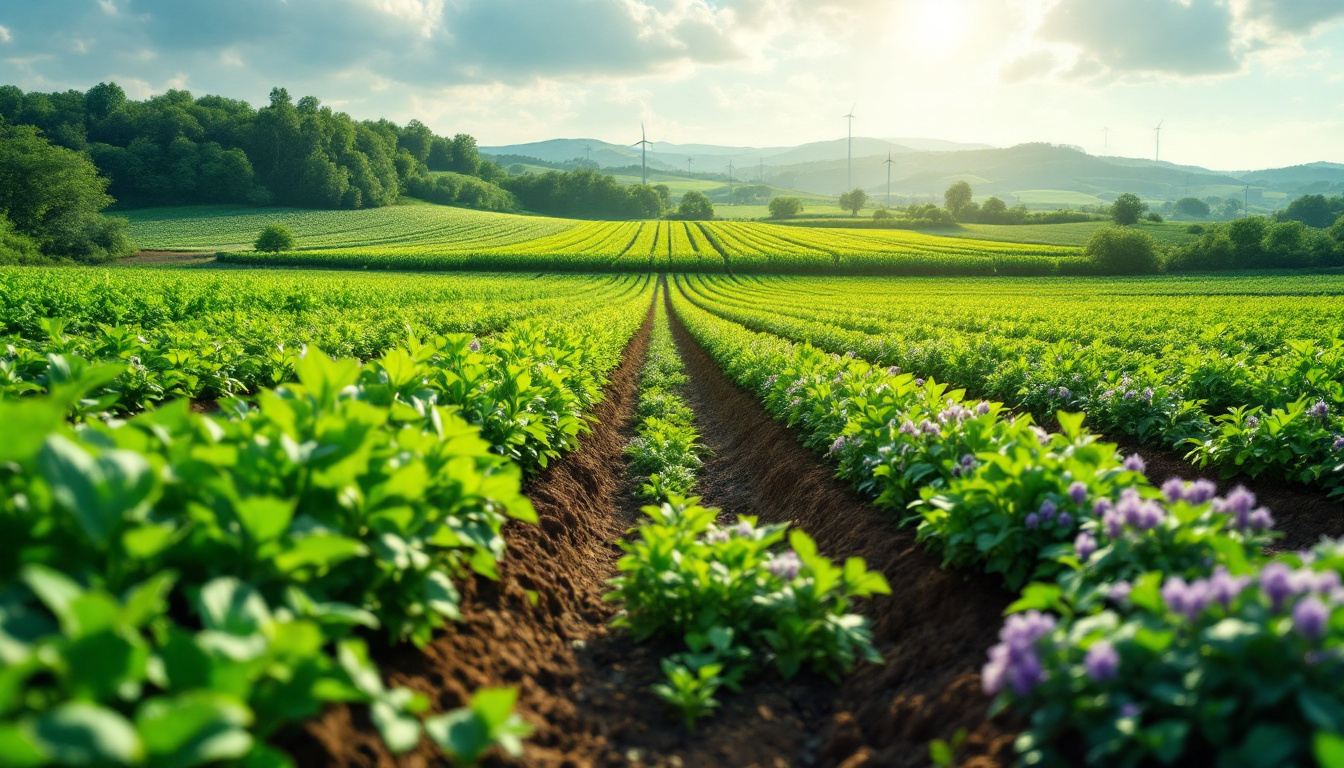
Bioeconomy encompasses various sectors, including agriculture, forestry, fisheries, and biotechnology. By integrating these sectors, the bioeconomy aims to create a circular economy where waste is minimized, and resources are reused. This approach not only supports economic growth but also promotes environmental sustainability and social equity.
Understanding the environmental impact of the bioeconomy is essential for policymakers, businesses, and consumers alike. It involves assessing both the positive and negative effects of bioeconomic activities on ecosystems, climate, and human health. This glossary entry will explore various aspects of the environmental impact of the bioeconomy, including its benefits, challenges, and future prospects.
Positive Environmental Impacts of the Bioeconomy
Reduction of Greenhouse Gas Emissions
One of the most significant environmental benefits of the bioeconomy is its potential to reduce greenhouse gas (GHG) emissions. Traditional fossil fuel-based industries are major contributors to GHG emissions, which are responsible for climate change. In contrast, bio-based products and energy sources, such as biofuels and bioplastics, can significantly lower carbon footprints.
Biofuels, for instance, are derived from organic materials, such as crops and waste. When used as an alternative to fossil fuels, they can lead to lower net emissions because the carbon dioxide released during combustion is offset by the CO2 absorbed during the growth of the biomass. This closed-loop cycle is essential in mitigating climate change and promoting a sustainable energy future.
Moreover, the bioeconomy encourages practices such as carbon sequestration, where carbon is captured and stored in biomass, soils, and forests. This not only helps in reducing atmospheric CO2 levels but also enhances soil health and biodiversity.
Promotion of Biodiversity
The bioeconomy can also contribute positively to biodiversity conservation. Sustainable practices in agriculture and forestry, such as agroecology and sustainable forest management, promote the preservation of diverse ecosystems. By prioritizing biodiversity, the bioeconomy helps maintain ecosystem services that are crucial for human survival, such as pollination, water purification, and soil fertility.
Furthermore, the bioeconomy encourages the use of native species and traditional agricultural practices that support local biodiversity. By integrating these practices into production systems, the bioeconomy can enhance resilience against pests and diseases, reduce the need for chemical inputs, and promote a healthier environment.
In addition, the bioeconomy can foster the restoration of degraded ecosystems through initiatives such as reforestation and habitat restoration, which contribute to the recovery of endangered species and the overall health of the planet.
Challenges and Negative Environmental Impacts
Land Use Change and Deforestation
While the bioeconomy presents numerous environmental benefits, it also poses significant challenges. One of the most pressing issues is land use change, particularly the conversion of forests and natural habitats into agricultural land for bioenergy crops. This practice can lead to deforestation, loss of biodiversity, and disruption of ecosystems.
Deforestation not only contributes to increased GHG emissions but also threatens the livelihoods of indigenous communities and local populations that depend on these ecosystems. The loss of forests can lead to soil erosion, decreased water quality, and altered local climates, further exacerbating environmental degradation.
To mitigate these negative impacts, it is crucial to adopt sustainable land management practices that prioritize the protection of existing ecosystems while promoting the cultivation of bioenergy crops. This includes implementing policies that discourage deforestation and encourage agroforestry systems that integrate trees and crops, thereby enhancing biodiversity and ecosystem services.
Water Resource Management
The cultivation of biomass for the bioeconomy can also strain water resources, particularly in regions where water is scarce. Intensive agricultural practices often require significant amounts of water for irrigation, leading to over-extraction of water from rivers and aquifers. This can result in the depletion of water resources, negatively impacting local ecosystems and communities.
Moreover, the use of fertilizers and pesticides in conventional biomass production can lead to water pollution, harming aquatic ecosystems and threatening human health. Runoff from agricultural fields can carry harmful chemicals into water bodies, causing eutrophication and the degradation of water quality.
To address these challenges, it is essential to implement sustainable water management practices within the bioeconomy. This includes adopting precision agriculture techniques, promoting rainwater harvesting, and utilizing drought-resistant crop varieties. By prioritizing water conservation, the bioeconomy can minimize its impact on water resources while ensuring food security and environmental sustainability.
Socio-Economic Implications
Job Creation and Economic Development
The bioeconomy has the potential to create numerous job opportunities and stimulate economic development, particularly in rural areas. By investing in bio-based industries, governments and businesses can foster innovation and entrepreneurship, leading to the establishment of new markets and value chains.
Jobs in the bioeconomy can range from agricultural production and processing to research and development in biotechnology. These employment opportunities can contribute to poverty alleviation and improve the quality of life for communities that rely on natural resources for their livelihoods.
However, it is crucial to ensure that the benefits of the bioeconomy are equitably distributed. Policymakers must consider the social implications of bioeconomic activities, ensuring that marginalized communities are included in decision-making processes and have access to resources and opportunities.
Food Security and Sustainable Practices
Food security is a critical issue that intersects with the bioeconomy. As the global population continues to grow, there is an increasing demand for food, which puts pressure on agricultural systems. The bioeconomy can contribute to food security by promoting sustainable agricultural practices that enhance productivity while minimizing environmental impacts.
Techniques such as organic farming, agroecology, and permaculture can improve soil health, increase crop resilience, and reduce reliance on chemical inputs. By integrating these practices into the bioeconomy, it is possible to produce food sustainably while preserving natural resources and protecting ecosystems.
Moreover, the bioeconomy can support local food systems by promoting the cultivation of diverse crops and the use of local resources. This not only enhances food security but also strengthens community resilience and fosters sustainable development.
Future Prospects of the Bioeconomy
Technological Innovations
The future of the bioeconomy is closely linked to technological innovations that enhance the efficiency and sustainability of bio-based production systems. Advances in biotechnology, such as synthetic biology and genetic engineering, hold the potential to revolutionize the way we produce food, materials, and energy.
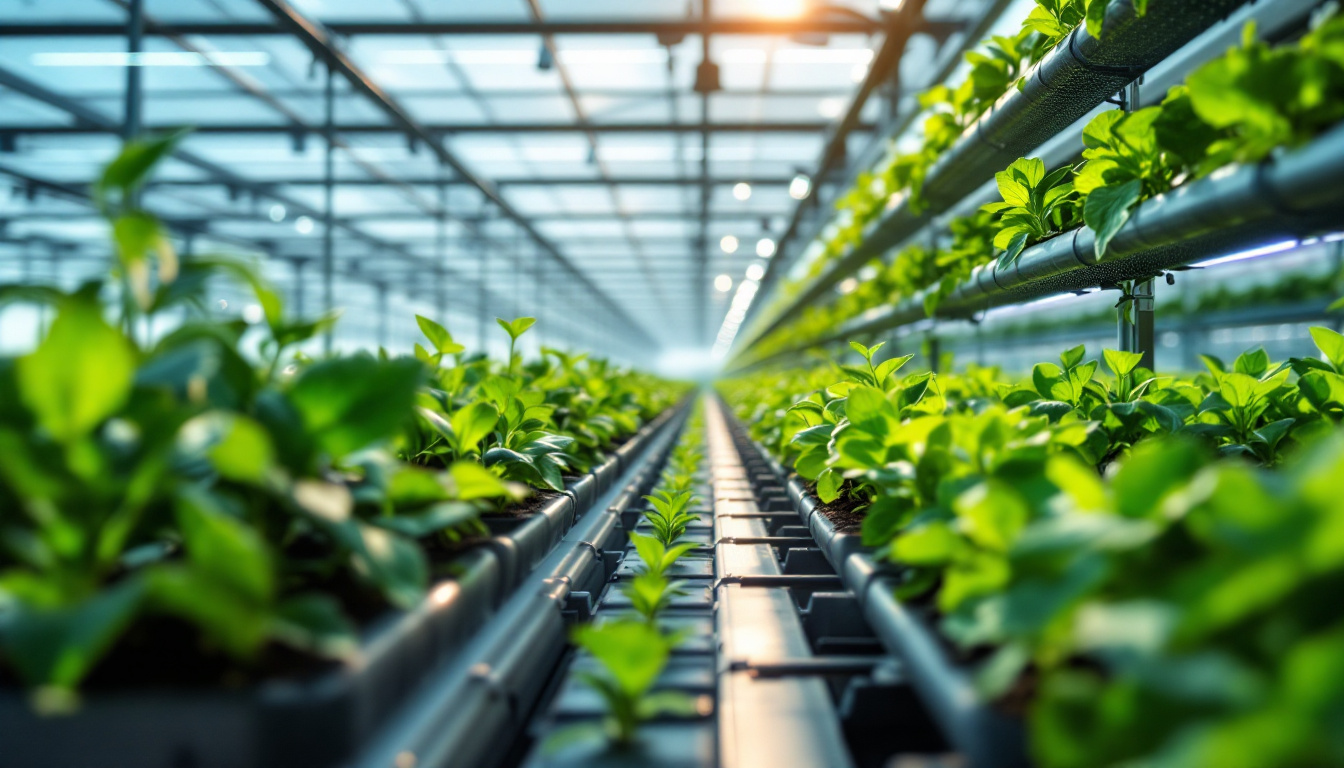
For instance, the development of genetically modified organisms (GMOs) can lead to crops that are more resistant to pests and diseases, reducing the need for chemical inputs and increasing yields. Additionally, innovations in bioprocessing and fermentation technologies can enable the conversion of biomass into high-value products, such as bioplastics and biofuels, with lower environmental impacts.
Furthermore, digital technologies, such as precision agriculture and data analytics, can optimize resource use and improve decision-making in agricultural practices. By harnessing these technologies, the bioeconomy can become more efficient, sustainable, and resilient in the face of global challenges.
Policy Frameworks and Global Cooperation
The successful implementation of the bioeconomy requires supportive policy frameworks and international cooperation. Governments play a crucial role in creating an enabling environment for bioeconomic activities by establishing regulations, providing incentives, and promoting research and development.
Moreover, global cooperation is essential for addressing the transboundary nature of environmental challenges. Collaborative efforts among countries can facilitate knowledge sharing, technology transfer, and the development of best practices in sustainable bioeconomic activities.
By fostering a global dialogue on the bioeconomy, stakeholders can work together to create a sustainable future that balances economic growth, environmental protection, and social equity.
Conclusion
The bioeconomy presents a unique opportunity to address pressing global challenges while promoting sustainable development. By harnessing biological resources responsibly, we can reduce greenhouse gas emissions, enhance biodiversity, and create economic opportunities. However, it is essential to recognize and address the potential negative impacts associated with bioeconomic activities, such as land use change and water resource management.

As we move forward, it is crucial to adopt sustainable practices, invest in technological innovations, and establish supportive policy frameworks that promote the bioeconomy. By doing so, we can ensure that the bioeconomy contributes positively to environmental sustainability, economic development, and social equity, paving the way for a more sustainable and resilient future.
From Research to Real Decisions
The waste and circular economy moves fast. Wastenaut helps you survey markets before you enter, verify claims before you commit, and model scenarios before you build. Data-backed decisions for infrastructure that matters. See how it works.