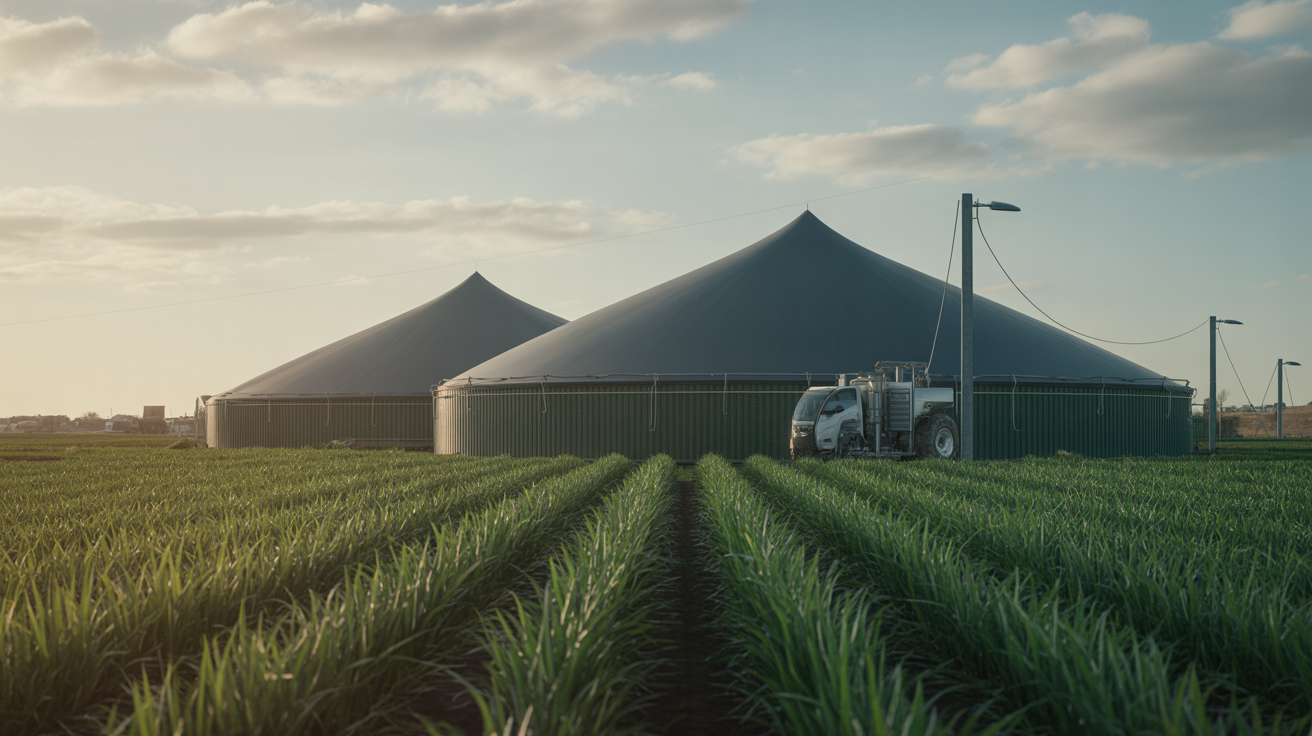
The term 'Energy Crop' refers to the cultivation of specific plant species for the purpose of generating energy, often in the form of biogas. This article will delve into the intricate details of energy crops, their role in biogas production, and the related terminologies. The aim is to provide a comprehensive understanding of the subject matter.
Biogas, a type of biofuel, is primarily produced through the biological breakdown of organic matter in an oxygen-free environment. Energy crops play a significant role in this process, serving as the primary feedstock. This article will explore the various aspects of energy crops and their relationship with biogas production.
Understanding Energy Crops
Energy crops are plant species specifically grown for use as fuel, offering high output per hectare with low inputs. These crops are primarily used in the production of bioenergy, which includes biogas, bioethanol, and biodiesel. The choice of energy crop can significantly impact the efficiency and sustainability of bioenergy production.
Energy crops can be broadly classified into two categories: herbaceous and woody crops. Herbaceous energy crops include species like switchgrass, miscanthus, and sugarcane. Woody energy crops, on the other hand, include short-rotation species like willow and poplar. The choice of crop depends on various factors such as climate, soil type, and intended use.
Role in Biogas Production
Energy crops serve as the primary feedstock for biogas production. They are rich in organic matter, which is broken down by microorganisms in a process known as anaerobic digestion. This process produces biogas, a mixture of methane, carbon dioxide, and other trace gases.
The efficiency of biogas production largely depends on the type of energy crop used. Certain crops, such as maize and sugarcane, are particularly effective due to their high energy content and rapid growth rate. However, the choice of crop must also consider environmental and economic factors.
Benefits and Challenges
Energy crops offer several benefits, including the potential for renewable energy production, carbon sequestration, and rural development. However, they also present certain challenges, such as the risk of monoculture, competition with food crops, and potential negative impacts on biodiversity.
Despite these challenges, the cultivation of energy crops for biogas production is a rapidly growing field. With advances in technology and sustainable farming practices, it is possible to mitigate many of these issues and harness the full potential of energy crops.
Key Biogas Terms
Understanding the terminology associated with biogas production is crucial for a comprehensive understanding of the topic. This section will explain some of the key terms related to biogas and energy crops.
These terms are fundamental to the field of bioenergy and provide a foundation for understanding the more complex aspects of biogas production.
Anaerobic Digestion
Anaerobic digestion is a biological process in which organic matter is broken down by microorganisms in the absence of oxygen. This process is used in biogas production, where organic materials, such as energy crops, are digested to produce a gas rich in methane.
The process of anaerobic digestion occurs in four stages: hydrolysis, acidogenesis, acetogenesis, and methanogenesis. Each stage involves different types of microorganisms and results in the production of different intermediate and end products.
Feedstock
In the context of biogas production, feedstock refers to the organic material that is used in the anaerobic digestion process. This can include a wide range of materials, such as energy crops, animal manure, and food waste.
The choice of feedstock can significantly impact the efficiency and sustainability of biogas production. For example, energy crops offer high energy yields but may compete with food production, while waste materials offer lower yields but have less environmental impact.
Methane
Methane is a potent greenhouse gas that is the primary component of natural gas and biogas. It is produced during the anaerobic digestion of organic matter, particularly during the final stage known as methanogenesis.
While methane is a valuable source of energy, it is also a significant contributor to climate change. Therefore, the capture and use of methane in biogas production can help to mitigate its environmental impact.
Energy Crop Cultivation
The cultivation of energy crops involves a range of practices that can impact the efficiency and sustainability of biogas production. This section will explore some of the key considerations in energy crop cultivation.
These considerations include the choice of crop, cultivation methods, and the management of environmental impacts.
Choice of Crop
The choice of energy crop can significantly impact the efficiency and sustainability of biogas production. Factors to consider include the crop's growth rate, energy content, and adaptability to local conditions.
For example, maize and sugarcane are often used due to their high energy content and rapid growth rate. However, these crops require significant inputs and may compete with food production. On the other hand, perennial grasses like switchgrass and miscanthus offer lower yields but are more sustainable and adaptable to a range of conditions.
Cultivation Methods
The cultivation methods used for energy crops can also impact the efficiency and sustainability of biogas production. These methods include the use of fertilizers, irrigation, and pest management practices.
For example, the excessive use of fertilizers can lead to nutrient runoff and water pollution, while over-reliance on irrigation can deplete water resources. Therefore, sustainable farming practices are crucial for the responsible cultivation of energy crops.
Environmental Impact Management
The cultivation of energy crops can have significant environmental impacts, including changes in land use, loss of biodiversity, and greenhouse gas emissions. Therefore, managing these impacts is a crucial aspect of sustainable energy crop cultivation.
Strategies for managing environmental impacts include the use of sustainable farming practices, crop rotation, and the cultivation of native species. Additionally, the use of waste materials as feedstock can help to reduce the environmental impact of biogas production.
Future of Energy Crops and Biogas
The future of energy crops and biogas is a topic of ongoing research and debate. This section will explore some of the key trends and challenges in the field.
These trends and challenges include advances in technology, changes in policy, and the need for sustainable practices.
Technological Advances
Advances in technology have the potential to significantly improve the efficiency and sustainability of biogas production. For example, genetic engineering can be used to develop energy crops with higher yields, greater resistance to pests, and lower environmental impact.
Additionally, improvements in anaerobic digestion technology can increase the efficiency of biogas production and reduce the environmental impact of the process. For example, the use of advanced digester designs and control systems can optimize the digestion process and increase gas yield.
Policy Changes
Policy changes can also have a significant impact on the future of energy crops and biogas. For example, policies that promote the use of renewable energy can incentivize the cultivation of energy crops and the production of biogas.
However, policies must also consider the potential environmental and social impacts of energy crop cultivation. For example, policies that promote the cultivation of energy crops at the expense of food production can lead to food insecurity and social unrest.
Sustainable Practices
The future of energy crops and biogas will also depend on the adoption of sustainable practices. These practices include the responsible cultivation of energy crops, the efficient use of resources, and the management of environmental impacts.
For example, the use of sustainable farming practices can reduce the environmental impact of energy crop cultivation, while the use of waste materials as feedstock can reduce the demand for land and resources. Additionally, the capture and use of methane in biogas production can help to mitigate the impact of this potent greenhouse gas.
Conclusion
The cultivation of energy crops for biogas production is a complex and multifaceted topic. It involves a range of considerations, from the choice of crop and cultivation methods, to the management of environmental impacts and the future of the field.
Despite the challenges, energy crops offer significant potential for renewable energy production and rural development. With advances in technology and sustainable practices, it is possible to harness the full potential of energy crops and biogas.