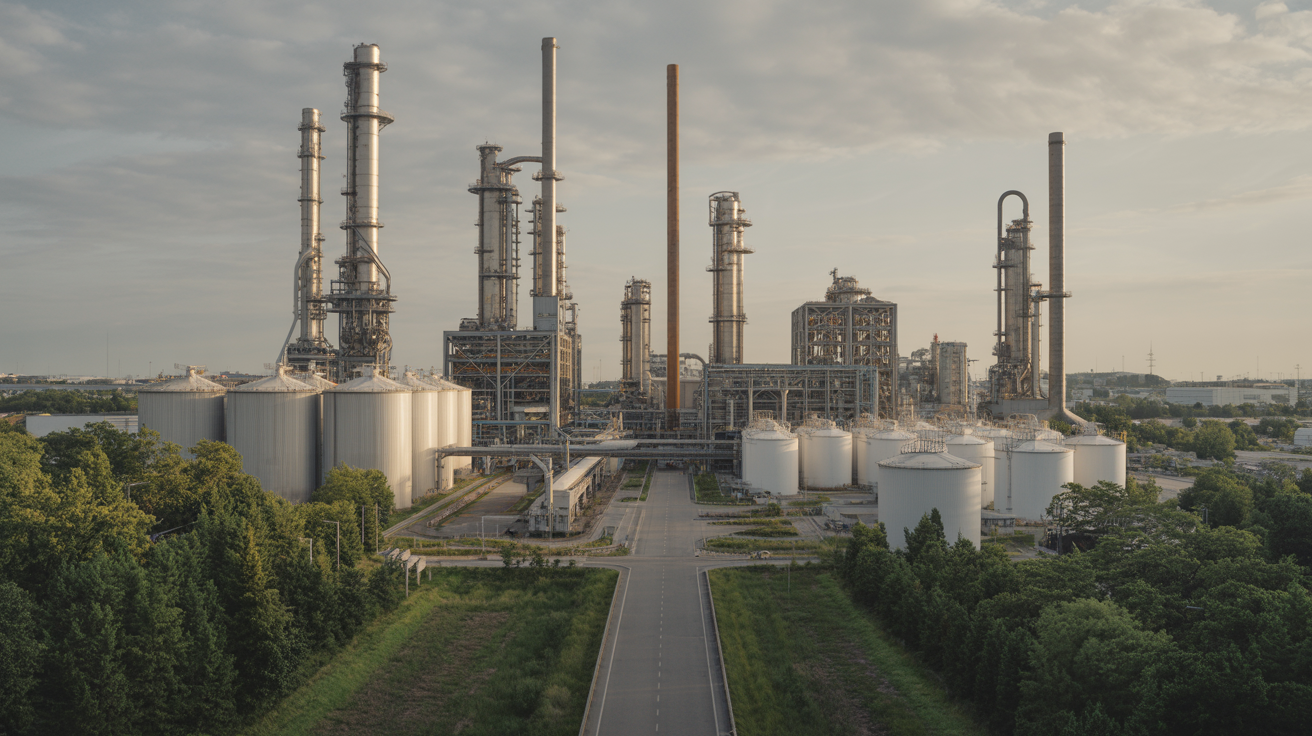
Introduction to Biorefineries
Biorefineries represent a pivotal concept within the framework of the bioeconomy, which seeks to utilize renewable biological resources to produce food, materials, and energy. The term 'biorefinery' refers to a facility that integrates biomass conversion processes and equipment to produce fuels, power, and value-added chemicals from biomass. This integration is essential for maximizing the utility of biomass, thereby contributing to sustainable development and reducing reliance on fossil fuels.
The concept of biorefineries is analogous to petroleum refineries, which convert crude oil into various valuable products. However, biorefineries utilize organic materials such as agricultural residues, forestry by-products, and dedicated energy crops. The goal is to create a closed-loop system where waste is minimized, and every component of the biomass is utilized effectively.
In the context of the bioeconomy, biorefineries play a crucial role in transitioning towards a more sustainable and circular economy. They not only provide renewable energy sources but also contribute to the production of bioproducts that can replace petrochemical-based products, thus reducing greenhouse gas emissions and environmental impact.
Types of Biorefineries
Biorefineries can be classified into several categories based on the type of biomass they process and the products they generate. The primary types include:
- First-Generation Biorefineries: These facilities primarily utilize food crops such as corn, sugarcane, and soybeans to produce biofuels like ethanol and biodiesel. While they are more established, they often face criticism for competing with food production.
- Second-Generation Biorefineries: These biorefineries focus on non-food biomass sources, including agricultural residues, forestry waste, and dedicated energy crops. They aim to produce biofuels and biochemicals without impacting food supply.
- Third-Generation Biorefineries: These facilities utilize algae and microorganisms as feedstock. Algae can produce high yields of lipids, carbohydrates, and proteins, making them a promising source for biofuels and bioproducts.
- Fourth-Generation Biorefineries: This emerging category aims to integrate advanced technologies such as synthetic biology and genetic engineering to enhance biomass conversion processes and produce high-value products.
Each type of biorefinery has its unique advantages and challenges, influencing their adoption and development in different regions of the world. The choice of biorefinery type often depends on local biomass availability, technological capabilities, and market demands.
Processes Involved in Biorefineries
The operation of a biorefinery involves a series of complex processes that convert biomass into useful products. These processes can be broadly categorized into three main stages: pre-treatment, conversion, and product recovery.
Pre-treatment
Pre-treatment is a critical step in the biorefinery process, as it prepares the biomass for efficient conversion. This stage often involves physical, chemical, or biological methods to break down the complex structure of biomass, making it more accessible for subsequent processing. Common pre-treatment methods include:
- Physical Pre-treatment: Techniques such as grinding, milling, or steam explosion are used to reduce particle size and increase surface area.
- Chemical Pre-treatment: The use of acids, alkalis, or solvents to dissolve lignin and hemicellulose, facilitating the release of fermentable sugars.
- Biological Pre-treatment: Utilizing microorganisms or enzymes to degrade lignin and hemicellulose, enhancing the digestibility of the biomass.
Effective pre-treatment is essential for maximizing the yield of valuable products and minimizing energy consumption during the conversion process.
Conversion
The conversion stage involves transforming pre-treated biomass into biofuels, biochemicals, or other value-added products. This can be achieved through various methods, including:
- Fermentation: Microorganisms such as yeast and bacteria are used to convert sugars into ethanol, organic acids, or other biochemicals.
- Gasification: Biomass is converted into syngas (a mixture of hydrogen and carbon monoxide) through high-temperature processes, which can then be used to produce fuels or chemicals.
- Pyrolysis: The thermal decomposition of biomass in the absence of oxygen produces bio-oil, biochar, and syngas.
- Transesterification: A chemical reaction used to produce biodiesel from triglycerides found in oils and fats.
Each conversion method has its specific applications, efficiencies, and product outputs, influencing the overall economics of the biorefinery.
Product Recovery
The final stage of the biorefinery process involves recovering and purifying the desired products from the conversion stage. This may include distillation, filtration, or extraction techniques to separate biofuels, chemicals, and other by-products. Efficient product recovery is crucial for maximizing the profitability of the biorefinery and ensuring the purity of the final products.
Additionally, biorefineries often aim to minimize waste by utilizing by-products in other processes or as feedstock for additional value-added products. This integrated approach enhances the sustainability and economic viability of biorefineries.
Environmental and Economic Benefits of Biorefineries
Biorefineries offer numerous environmental and economic advantages, making them an essential component of the bioeconomy. Some of the key benefits include:
- Reduction of Greenhouse Gas Emissions: By utilizing renewable biomass instead of fossil fuels, biorefineries can significantly reduce carbon dioxide and other greenhouse gas emissions.
- Waste Minimization: Biorefineries promote a circular economy by converting waste materials into valuable products, thereby reducing landfill use and environmental pollution.
- Energy Security: The production of biofuels from local biomass sources can enhance energy security by reducing dependence on imported fossil fuels.
- Job Creation: The establishment and operation of biorefineries can create jobs in rural areas, contributing to local economic development.
Moreover, biorefineries can stimulate innovation and research in biotechnology, agricultural practices, and sustainable resource management, leading to further advancements in the bioeconomy.
Challenges Facing Biorefineries
Despite their potential, biorefineries face several challenges that can hinder their development and implementation. Some of the primary challenges include:
- Feedstock Availability: The availability and cost of biomass feedstock can vary significantly, impacting the economic viability of biorefineries.
- Technological Barriers: Many biorefinery processes are still in the developmental stage, requiring further research and investment to improve efficiency and reduce costs.
- Market Competition: Biorefineries often compete with established fossil fuel markets and petrochemical industries, making it challenging to gain market share.
- Regulatory Frameworks: Inconsistent policies and regulations across regions can create uncertainty and hinder investment in biorefinery projects.
Addressing these challenges requires collaboration among governments, industry stakeholders, and researchers to create supportive policies, invest in research and development, and promote sustainable biomass sourcing practices.
The Future of Biorefineries in the Bioeconomy
The future of biorefineries is promising, with increasing global interest in sustainable practices and renewable energy sources. As technology advances and public awareness of environmental issues grows, biorefineries are expected to play a more significant role in the bioeconomy. Innovations in biotechnology, such as synthetic biology and metabolic engineering, hold the potential to enhance biomass conversion processes and expand the range of products that can be produced.
Furthermore, the integration of biorefineries into existing agricultural and industrial systems can create synergies that enhance overall sustainability. For example, utilizing agricultural residues as feedstock for biorefineries can provide farmers with additional income while reducing waste and environmental impact.
Ultimately, the successful development and implementation of biorefineries will depend on a concerted effort from all stakeholders, including policymakers, researchers, and industry leaders, to create a supportive ecosystem that fosters innovation, investment, and sustainable practices.
Conclusion
In conclusion, biorefineries are a vital component of the bioeconomy, offering a sustainable solution for producing energy, materials, and chemicals from renewable biomass sources. By integrating advanced technologies and processes, biorefineries can maximize the utility of biomass, reduce environmental impact, and contribute to economic development. As the world continues to seek sustainable alternatives to fossil fuels, the role of biorefineries will undoubtedly become increasingly important in shaping a more sustainable future.
Transform Your Biorefinery Projects with Nexus
Ready to take your biorefinery initiatives from concept to reality? Nexus provides the cutting-edge platform you need to navigate the complexities of the bioeconomy with confidence. Leverage our dynamic analysis tools to evaluate feedstock potential, streamline your project planning, and collaborate effectively. Join the forefront of sustainable innovation and make informed, data-driven decisions that lead to bankable results. Get Started today and revolutionize your approach to biorefinery development with Nexus.