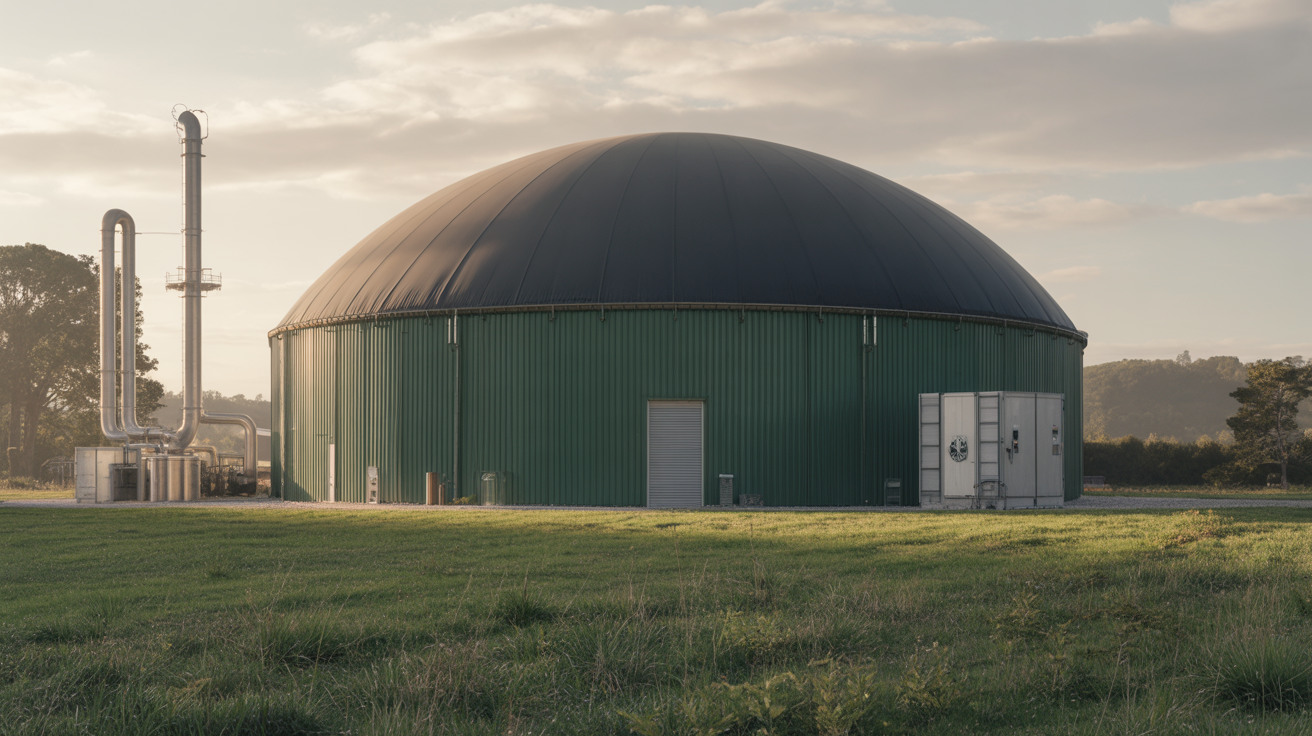
Biogas is a renewable energy source that is produced from the breakdown of organic matter in the absence of oxygen. It is primarily composed of methane and carbon dioxide, and can be used as a fuel in various applications. This glossary aims to provide a comprehensive understanding of the key terms associated with biogas and its utilization.
Understanding these terms is crucial for anyone interested in the field of renewable energy, especially those focusing on biogas. This glossary will serve as a useful resource for students, researchers, and professionals alike.
Biogas Production
Biogas production refers to the process of generating biogas through the breakdown of organic matter. This process is typically carried out in a biogas plant, where organic waste is collected and processed in an anaerobic environment. The resulting biogas can be used as a source of renewable energy.
The process of biogas production involves several stages, including the collection of organic waste, the preparation of the waste for processing, the anaerobic digestion of the waste, and the collection and storage of the resulting biogas. Each of these stages involves specific processes and equipment, which are detailed in the following sections.
Anaerobic Digestion
Anaerobic digestion is a key process in the production of biogas. It involves the breakdown of organic matter in an environment devoid of oxygen. This process is carried out by a consortium of microorganisms, which convert the organic matter into biogas and other byproducts.
The process of anaerobic digestion is complex and involves several stages, including hydrolysis, acidogenesis, acetogenesis, and methanogenesis. Each of these stages involves different types of microorganisms and results in the production of different types of compounds.
Biogas Plant
A biogas plant is a facility where biogas is produced. It typically includes a digester, where the anaerobic digestion of organic matter takes place, and a gas storage area, where the produced biogas is collected and stored until it is ready to be used.
Biogas plants can vary in size and complexity, depending on the amount of organic waste that they process and the specific applications for which the produced biogas is intended. They can be found in a variety of settings, including farms, wastewater treatment plants, and industrial facilities.
Biogas Composition
Biogas is primarily composed of methane and carbon dioxide, with small amounts of other gases such as hydrogen, nitrogen, and hydrogen sulfide. The exact composition of biogas can vary depending on the type of organic matter that is digested and the specific conditions under which the digestion takes place.
Methane, the main component of biogas, is a potent greenhouse gas. However, when it is captured and used as a fuel, it can help to reduce greenhouse gas emissions. Carbon dioxide, the other main component of biogas, is also a greenhouse gas, but it is not as potent as methane.
Methane
Methane is the main component of biogas and is responsible for its energy content. It is a potent greenhouse gas, with a global warming potential that is 25 times greater than that of carbon dioxide over a 100-year period. However, when methane is captured and used as a fuel, it can help to reduce greenhouse gas emissions.
Methane is a colorless, odorless gas that is lighter than air. It is flammable and can be used as a fuel in a variety of applications, including heating, electricity generation, and transportation.
Carbon Dioxide
Carbon dioxide is the second main component of biogas. It is a greenhouse gas, but it is not as potent as methane. Carbon dioxide is a colorless, odorless gas that is heavier than air. It is not flammable and does not contribute to the energy content of biogas.
Despite its lack of energy content, the presence of carbon dioxide in biogas is important for the stability of the gas. It helps to maintain the pressure in the gas storage area of a biogas plant and prevents the formation of explosive mixtures of methane and air.
Biogas Utilization
Biogas can be used as a fuel in a variety of applications, including heating, electricity generation, and transportation. The use of biogas as a fuel can help to reduce greenhouse gas emissions and reliance on fossil fuels.
Before biogas can be used as a fuel, it often needs to be processed to remove impurities and increase its energy content. This process, known as biogas upgrading, can involve several methods, including pressure swing adsorption, water scrubbing, and membrane separation.
Heating
One of the most common uses of biogas is for heating. Biogas can be used to heat buildings, greenhouses, and industrial processes. It can also be used to heat the digester of a biogas plant, which helps to maintain the optimal temperature for anaerobic digestion.
When biogas is used for heating, it is typically burned in a boiler or a furnace. The heat produced can be used directly, or it can be used to produce steam, which can then be used for heating or for other purposes.
Electricity Generation
Biogas can also be used to generate electricity. This is typically done using a combined heat and power (CHP) unit, which simultaneously produces heat and electricity from the combustion of biogas. The electricity produced can be used on-site or fed into the grid.
When biogas is used to generate electricity, it can help to reduce reliance on fossil fuels and decrease greenhouse gas emissions. It can also provide a source of income, as the electricity produced can be sold to the grid.
Transportation
Another use of biogas is for transportation. Biogas can be used as a fuel for vehicles, including cars, buses, and trucks. Before it can be used as a vehicle fuel, biogas needs to be upgraded to biomethane, which has a higher energy content.
When biogas is used as a vehicle fuel, it can help to reduce greenhouse gas emissions and reliance on fossil fuels. It can also provide a source of income, as the biomethane produced can be sold to fueling stations.
Biogas Safety
While biogas is a valuable source of renewable energy, it also poses certain safety risks. These include the risk of explosion, asphyxiation, and poisoning. It is therefore important to handle biogas with care and to follow safety guidelines when working with it.
The safety risks associated with biogas can be managed through proper design and operation of biogas plants, regular maintenance and inspection of equipment, and appropriate training of personnel. The following sections provide more detail on these safety aspects.
Explosion Risk
Biogas is flammable and can explode if it comes into contact with a source of ignition. This risk can be managed by ensuring that biogas plants are properly designed and operated, and that sources of ignition are kept away from areas where biogas is present.
It is also important to ensure that biogas is properly vented, to prevent the build-up of pressure that could lead to an explosion. Regular inspection and maintenance of equipment can help to detect and fix any leaks that could lead to a build-up of biogas.
Asphyxiation Risk
Biogas contains carbon dioxide, which can displace oxygen in confined spaces and lead to asphyxiation. This risk can be managed by ensuring that biogas plants are properly ventilated, and that personnel are trained to recognize and respond to signs of oxygen deficiency.
It is also important to have appropriate safety equipment, such as oxygen monitors and breathing apparatus, available for personnel working in areas where biogas is present. Regular inspection and maintenance of this equipment is crucial to ensure its proper functioning.
Poisoning Risk
Biogas can contain trace amounts of hydrogen sulfide, a toxic gas that can cause poisoning. This risk can be managed by ensuring that biogas is properly scrubbed to remove hydrogen sulfide, and that personnel are trained to recognize and respond to signs of hydrogen sulfide exposure.
It is also important to have appropriate safety equipment, such as gas detectors and personal protective equipment, available for personnel working in areas where biogas is present. Regular inspection and maintenance of this equipment is crucial to ensure its proper functioning.
Conclusion
Biogas is a valuable source of renewable energy that can help to reduce greenhouse gas emissions and reliance on fossil fuels. Understanding the key terms associated with biogas and its utilization is crucial for anyone interested in the field of renewable energy.
This glossary provides a comprehensive understanding of these terms, and serves as a useful resource for students, researchers, and professionals alike. By understanding these terms, you will be better equipped to understand and contribute to the field of biogas utilization.