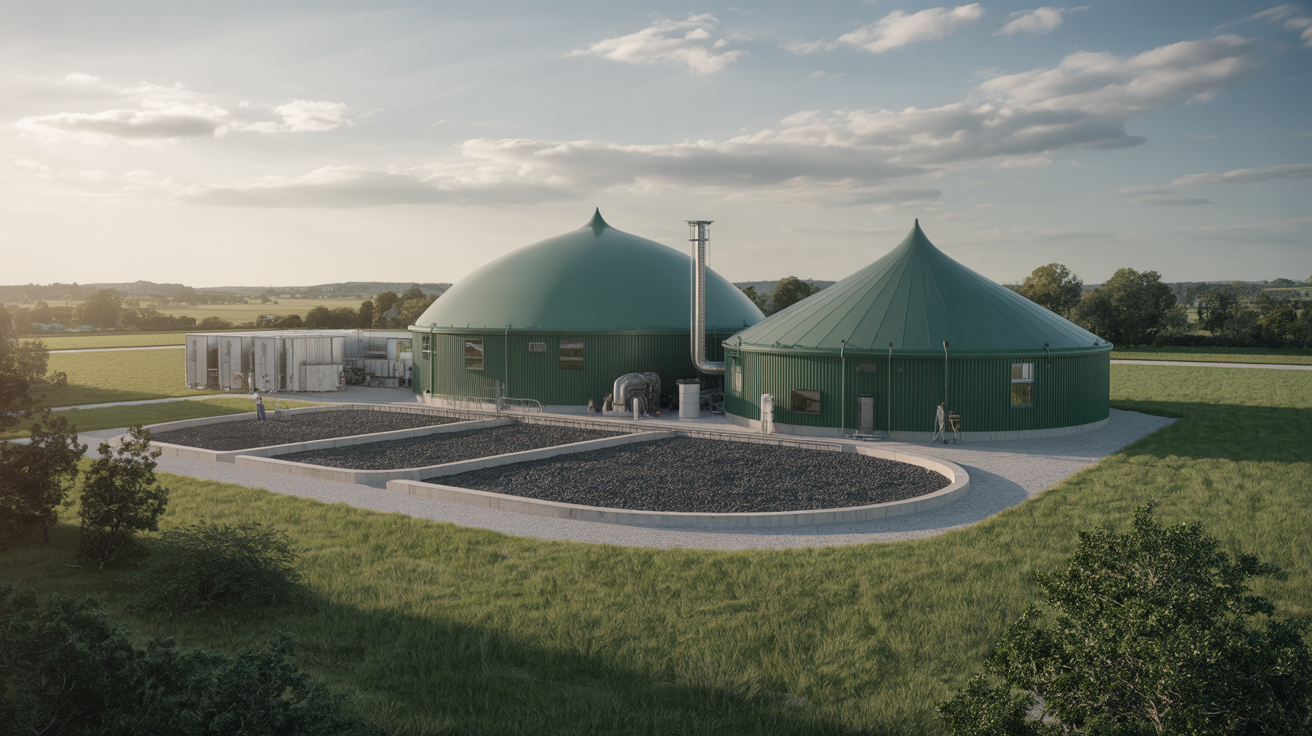
Biogas technology is a rapidly evolving field that harnesses the power of organic waste to produce a renewable source of energy. This glossary aims to provide a comprehensive overview of the key terms and concepts related to biogas technology, making it accessible to both industry professionals and the general public.
Understanding these terms is crucial to grasping the science behind biogas production, its potential applications, and the environmental implications of its use. This glossary will serve as a valuable resource for anyone interested in exploring the world of biogas technology.
Introduction to Biogas
Biogas is a type of biofuel that is naturally produced from the decomposition of organic waste. When organic matter, such as food scraps and animal waste, break down in an environment devoid of oxygen, they release a blend of gases, primarily methane and carbon dioxide. This blend of gases, known as biogas, can be used to generate heat and electricity.
The process of producing biogas is a complex one, involving a series of biological and chemical reactions. Understanding the terminology associated with this process is essential to understanding how biogas technology works and how it can be used to produce renewable energy.
Biogas Production
Biogas production involves the breakdown of organic matter in an environment without oxygen, a process known as anaerobic digestion. This process is carried out by a consortium of microorganisms, including bacteria and archaea, which work together to break down the complex organic molecules into simpler ones, releasing biogas in the process.
The production of biogas can be divided into four main stages: hydrolysis, acidogenesis, acetogenesis, and methanogenesis. Each of these stages involves different types of microorganisms and different chemical reactions, contributing to the overall process of biogas production.
Biogas Composition
Biogas is primarily composed of methane and carbon dioxide, with small amounts of other gases such as hydrogen sulfide and nitrogen. The exact composition of biogas can vary depending on the type of organic matter used and the conditions under which it is produced.
Methane, the main component of biogas, is a potent greenhouse gas, with a global warming potential much higher than that of carbon dioxide. However, when biogas is used as a source of energy, the methane is burned and converted into carbon dioxide, reducing its impact on the environment.
Biogas Technology
Biogas technology refers to the various techniques and equipment used to produce, collect, and use biogas. This includes the design and operation of biogas plants, the optimization of the anaerobic digestion process, and the development of efficient and sustainable ways to use biogas as a source of energy.
The development of biogas technology is driven by the need to find renewable sources of energy and to manage organic waste in a sustainable way. By converting organic waste into a valuable resource, biogas technology contributes to the circular economy and helps to reduce greenhouse gas emissions.
Biogas Plants
A biogas plant is a facility where organic waste is processed to produce biogas. It consists of a digester, where the anaerobic digestion takes place, and a gas storage system, where the produced biogas is collected and stored until it is used.
The design and operation of a biogas plant can vary greatly depending on the type and quantity of organic waste to be processed, the desired biogas output, and the specific environmental and economic conditions. However, all biogas plants share the same basic principle: the conversion of organic waste into a renewable source of energy.
Biogas Usage
Biogas can be used in a variety of ways, depending on its composition and purity. It can be used directly for cooking and heating, or it can be converted into electricity and heat in a combined heat and power (CHP) plant. With further treatment, biogas can also be upgraded to biomethane, a renewable natural gas that can be injected into the gas grid or used as a vehicle fuel.
The use of biogas as a source of energy not only contributes to the reduction of greenhouse gas emissions, but also provides a sustainable solution for the management of organic waste, promoting the circular economy and enhancing energy security.
Environmental Impact of Biogas
The production and use of biogas have significant environmental benefits. By converting organic waste into a valuable resource, biogas technology helps to reduce the amount of waste that ends up in landfills, where it would otherwise decompose and release methane into the atmosphere. Furthermore, by replacing fossil fuels with a renewable source of energy, biogas contributes to the reduction of greenhouse gas emissions and helps to mitigate climate change.
However, the environmental impact of biogas is not only positive. The production of biogas can also have negative impacts, such as the release of pollutants during the digestion process and the potential for leaks of methane, a potent greenhouse gas. Therefore, it is important to manage and monitor the production and use of biogas to ensure that its environmental benefits outweigh its potential drawbacks.
Carbon Footprint of Biogas
The carbon footprint of biogas refers to the total amount of greenhouse gases that are emitted during the production, use, and disposal of biogas. This includes the emissions from the anaerobic digestion process, the combustion of biogas, and the handling and disposal of the digestate, the residual material left after the digestion process.
While the carbon footprint of biogas is generally lower than that of fossil fuels, it can vary greatly depending on the type of organic waste used, the efficiency of the digestion process, and the way the biogas is used. Therefore, it is important to optimize the production and use of biogas to minimize its carbon footprint and maximize its environmental benefits.
Biogas and the Circular Economy
The concept of the circular economy is based on the idea of closing the loop of product lifecycles, by reusing and recycling materials as much as possible. Biogas technology plays a key role in the circular economy, by converting organic waste, a by-product of various industries, into a valuable resource.
By using organic waste to produce biogas, we can reduce the amount of waste that ends up in landfills, generate renewable energy, and produce a nutrient-rich digestate that can be used as a soil conditioner. This not only helps to conserve natural resources and reduce greenhouse gas emissions, but also creates new economic opportunities and promotes sustainable development.
Future of Biogas
The future of biogas looks promising, with increasing interest in renewable energy and sustainable waste management. Advances in biogas technology, such as the development of more efficient digesters and the introduction of new methods for biogas upgrading, are expected to increase the production and use of biogas in the coming years.
However, the growth of the biogas sector also presents challenges, such as the need for more stringent regulations to ensure the safe and sustainable production and use of biogas, and the need for more research to understand the environmental impacts of biogas and to develop strategies to mitigate them. Despite these challenges, biogas remains a promising solution for a sustainable and low-carbon future.
Biogas and Renewable Energy
As a renewable source of energy, biogas has the potential to play a key role in the transition to a low-carbon energy system. By replacing fossil fuels with biogas, we can reduce greenhouse gas emissions and enhance energy security, while also providing a sustainable solution for waste management.
The potential of biogas as a renewable energy source is vast, but it is still largely untapped. With the right policies and incentives, and with continued technological innovation, the use of biogas could significantly increase, contributing to the global efforts to combat climate change and achieve sustainable development.
Biogas Research and Development
Research and development in the field of biogas technology is crucial to unlocking the full potential of biogas. This includes research on the microbiology of anaerobic digestion, the optimization of biogas production, the development of new uses for biogas, and the assessment of the environmental and economic impacts of biogas.
Through research and development, we can gain a better understanding of the complex processes involved in biogas production, develop more efficient and sustainable biogas technologies, and explore new ways to use biogas as a source of energy. This will not only contribute to the growth of the biogas sector, but also help to shape a more sustainable and resilient energy future.