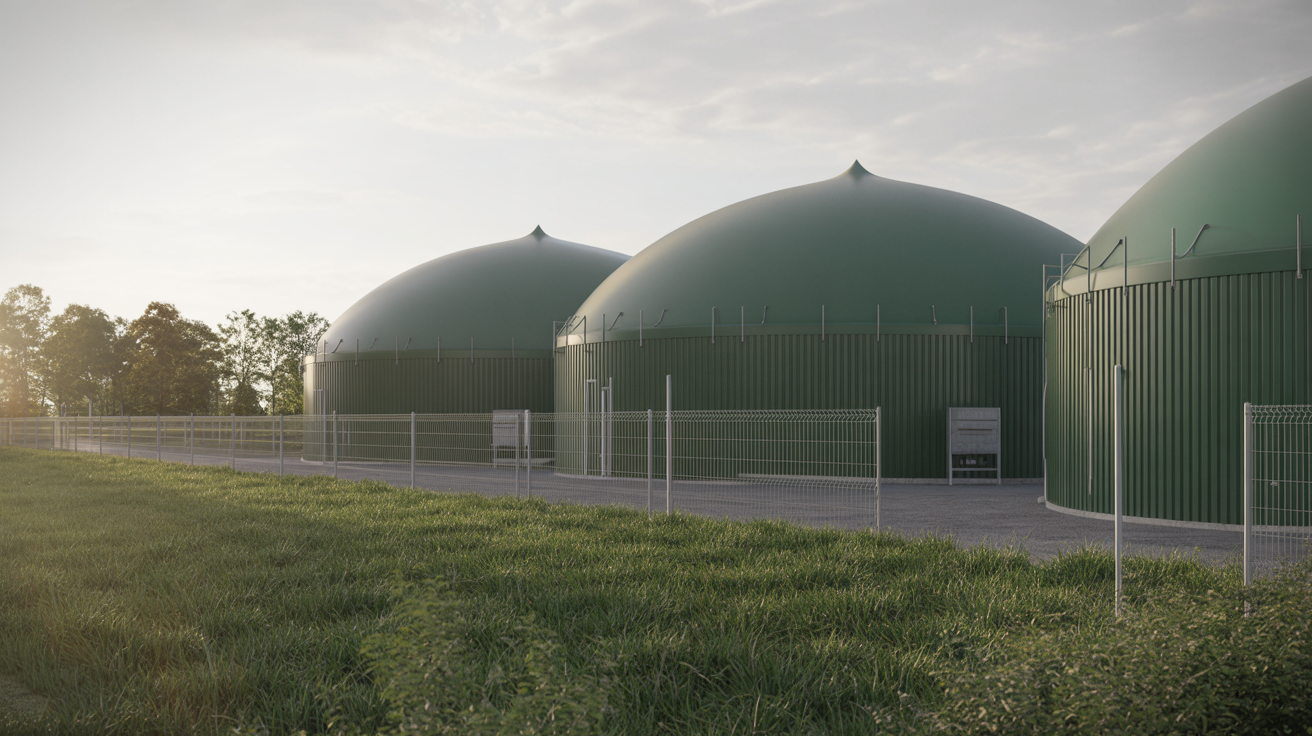
Biogas purification is a critical process in the production of clean, renewable energy. This glossary aims to elucidate the complex terms and concepts related to biogas purification, making it accessible for a general audience.
From the basic definition of biogas to the intricate processes involved in its purification, this glossary will provide a comprehensive understanding of the subject matter. Let's delve into the world of biogas purification and explore its various facets.
What is Biogas?
Biogas is a type of biofuel that is naturally produced from the decomposition of organic waste. This waste can come from various sources, including agricultural waste, plant material, and even sewage. When these materials decompose, they release a mixture of gases, primarily methane and carbon dioxide, which collectively form biogas.
Biogas is a renewable source of energy, as the materials used in its production are continuously replenished. It's a versatile energy source that can be used for heating, electricity generation, and as a fuel for vehicles. However, before it can be used, it must undergo a process of purification to remove impurities.
Composition of Biogas
The primary components of biogas are methane (CH4) and carbon dioxide (CO2). Methane is the main energy-producing component, while carbon dioxide is a non-combustible gas that dilutes the energy content of the biogas. Other gases present in smaller quantities include hydrogen sulphide (H2S), water vapour, and traces of other gases.
The exact composition of biogas can vary depending on the source of the organic waste and the conditions under which it is produced. For example, biogas produced from agricultural waste may have a higher methane content than that produced from sewage.
Biogas Purification
While biogas is a valuable source of renewable energy, it contains impurities that need to be removed before it can be used. This process is known as biogas purification or biogas upgrading. The goal of biogas purification is to increase the concentration of methane, thereby enhancing the energy value of the gas, and to remove harmful impurities.
The purification process involves several steps, each designed to remove a specific type of impurity. The most common impurities found in biogas are hydrogen sulphide, carbon dioxide, water vapour, and traces of other gases. Each of these impurities can have detrimental effects on the performance and lifespan of equipment used to generate energy from biogas.
Removal of Hydrogen Sulphide
Hydrogen sulphide (H2S) is a toxic and corrosive gas that is often present in biogas. It can cause damage to equipment and pipelines, and when burned, it produces sulphur dioxide (SO2), a harmful pollutant. Therefore, it's crucial to remove H2S from biogas during the purification process.
There are several methods for removing H2S from biogas, including chemical scrubbing, biological methods, and physical absorption. The choice of method depends on the concentration of H2S in the biogas and the specific requirements of the biogas application.
Removal of Carbon Dioxide
Carbon dioxide (CO2) is a non-combustible gas that dilutes the energy content of biogas. Therefore, removing CO2 from biogas can significantly increase its energy value. There are several methods for removing CO2 from biogas, including water scrubbing, pressure swing adsorption, and membrane separation.
Each of these methods has its advantages and disadvantages, and the choice of method depends on the specific requirements of the biogas application. For example, water scrubbing is a simple and cost-effective method, but it requires a large amount of water and can produce a wastewater stream that needs to be treated.
Biogas Utilization
Once biogas has been purified, it can be used in a variety of applications. The most common use of biogas is for heat and electricity generation, but it can also be used as a fuel for vehicles, or it can be injected into the natural gas grid.
When used for heat and electricity generation, biogas is typically burned in a combined heat and power (CHP) unit. The heat produced can be used for space heating, water heating, or industrial processes, while the electricity can be used on-site or fed into the electrical grid.
Biogas in Vehicles
Biogas can also be used as a fuel for vehicles, particularly in countries where natural gas vehicles are common. Before it can be used in vehicles, biogas must be compressed to increase its energy density. This compressed biogas (CBG) can then be used in the same way as natural gas.
Using biogas as a vehicle fuel has several advantages. It's a renewable and locally produced fuel, it can reduce greenhouse gas emissions compared to fossil fuels, and it can contribute to energy security by reducing dependence on imported fuels.
Biogas in the Natural Gas Grid
Another option for utilizing purified biogas is to inject it into the natural gas grid. This allows the biogas to be distributed and used in the same way as natural gas, providing a renewable alternative to fossil fuels.
Before it can be injected into the gas grid, biogas must meet certain quality standards to ensure it won't cause damage to the grid or to appliances that use the gas. These standards typically require the removal of impurities and the adjustment of the gas composition to match that of natural gas.
Environmental Impact of Biogas
Biogas production and utilization have significant environmental benefits. As a renewable source of energy, biogas can help reduce greenhouse gas emissions by replacing fossil fuels. Furthermore, the production of biogas from organic waste can help reduce waste volumes and prevent the release of methane, a potent greenhouse gas, from waste decomposition.
However, the environmental impact of biogas also depends on how it's produced and used. For example, if the organic waste used to produce biogas is sourced from unsustainable agricultural practices, this can have negative environmental impacts. Similarly, if the by-products of biogas production, such as digestate, are not properly managed, this can cause environmental harm.
Carbon Neutrality of Biogas
One of the main environmental benefits of biogas is its potential to be carbon neutral. This means that the amount of carbon dioxide released when biogas is burned is equal to the amount of carbon dioxide absorbed by the plants that were used to produce the biogas. This makes biogas a sustainable and climate-friendly source of energy.
However, achieving carbon neutrality with biogas requires careful management of the entire production and utilization process. This includes sustainable sourcing of the organic waste used to produce the biogas, efficient purification and utilization of the biogas, and proper management of the by-products.
Waste Management and Biogas
Biogas production can also play a significant role in waste management. Organic waste, such as agricultural waste and sewage, can be used to produce biogas, reducing the volume of waste that needs to be disposed of. The by-product of biogas production, known as digestate, can be used as a fertilizer, further reducing waste volumes.
However, the use of biogas for waste management also requires careful management to prevent environmental harm. For example, the digestate produced during biogas production can contain harmful substances, such as heavy metals or pathogens, which need to be properly managed to prevent pollution.
Future of Biogas
As the world seeks to transition to a more sustainable and low-carbon energy system, biogas is likely to play an increasingly important role. The potential of biogas to provide a renewable source of energy, reduce waste volumes, and contribute to carbon neutrality makes it a promising solution for a sustainable future.
However, realizing the full potential of biogas will require continued research and development, particularly in the areas of biogas purification and utilization. This will help to improve the efficiency and sustainability of biogas production, and to expand the range of applications for which biogas can be used.
Technological Advancements in Biogas Purification
One area where significant advancements are being made is in the technology used for biogas purification. New technologies are being developed that can improve the efficiency and cost-effectiveness of biogas purification, making it more viable for a wider range of applications.
For example, advancements in membrane technology are making it possible to remove impurities from biogas more efficiently and with less energy consumption. Similarly, new biological methods are being developed for removing hydrogen sulphide from biogas, which can be more sustainable and cost-effective than chemical methods.
Policy and Regulatory Developments
Policy and regulatory developments also have a significant impact on the future of biogas. Policies that support the production and use of biogas, such as renewable energy targets and incentives, can help to drive the growth of the biogas sector.
At the same time, regulations that ensure the sustainable production and use of biogas, such as standards for biogas quality and waste management, are crucial for ensuring that the growth of the biogas sector is sustainable and beneficial for the environment.
Conclusion
Biogas purification is a complex process, but it's a critical step in the production of clean, renewable energy. By understanding the terms and concepts related to biogas purification, we can better appreciate the importance of this process and its potential for a sustainable future.
From the basic definition of biogas to the intricate processes involved in its purification, the world of biogas is full of fascinating and important concepts. As we continue to explore and develop this renewable energy source, these concepts will only become more important.