```html
Introduction to Project Finance
Project finance is a method of funding in which the lenders look primarily to the revenues generated by a project, rather than the balance sheets of its sponsors, as the source of repayment. This financing structure is typically used for large-scale infrastructure projects such as roads, bridges, power plants, and other capital-intensive ventures. The governance framework surrounding project finance is crucial as it establishes the rules, roles, and responsibilities of all parties involved, ensuring that the project is executed efficiently and effectively.
The governance framework in project finance encompasses various elements, including stakeholder engagement, risk management, regulatory compliance, and financial oversight. Each of these components plays a vital role in the success of a project, influencing its operational integrity and financial viability. Understanding the intricacies of this framework is essential for stakeholders, including project sponsors, investors, and regulatory bodies.
This glossary entry aims to provide a comprehensive overview of the governance framework in project finance, detailing its key components, processes, and best practices. By exploring these elements, stakeholders can better navigate the complexities of project finance and enhance their decision-making capabilities.
Key Components of the Governance Framework
Stakeholder Engagement
Stakeholder engagement is a critical component of the governance framework in project finance. It involves identifying, analyzing, and managing the interests of all parties affected by the project, including investors, government authorities, local communities, and environmental groups. Effective stakeholder engagement fosters transparency, builds trust, and mitigates potential conflicts that may arise during the project lifecycle.
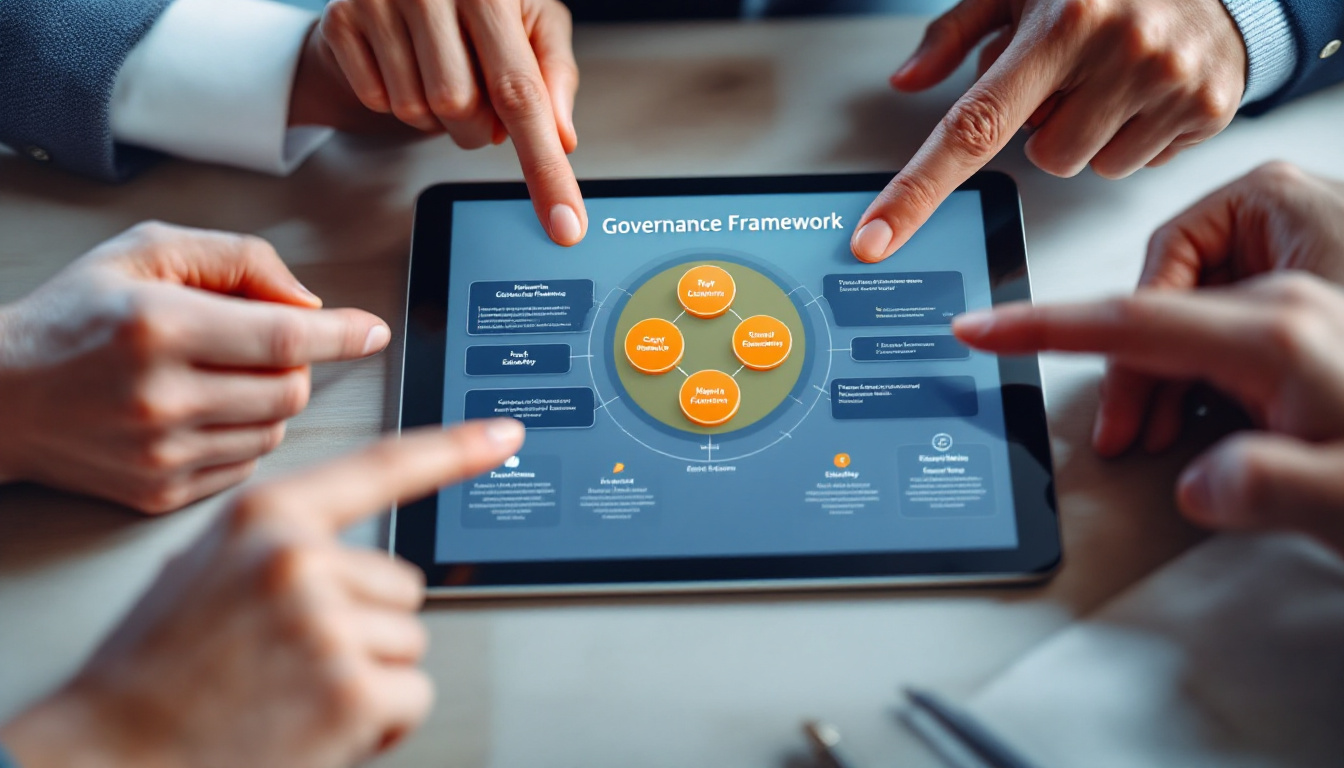
To facilitate stakeholder engagement, project sponsors often employ various strategies, such as public consultations, community outreach programs, and regular communication updates. These efforts help ensure that stakeholders are informed about the project’s progress and can voice their concerns or suggestions. Additionally, engaging stakeholders early in the project can lead to valuable insights that enhance project design and implementation.
Moreover, stakeholder engagement is not a one-time activity; it requires ongoing dialogue and relationship management throughout the project lifecycle. By maintaining open lines of communication, project sponsors can address issues proactively and adapt to changing stakeholder needs, ultimately contributing to the project’s long-term success.
Risk Management
Risk management is another fundamental aspect of the governance framework in project finance. It involves identifying, assessing, and mitigating risks that could impact the project’s objectives. Risks in project finance can be categorized into several types, including financial, operational, legal, environmental, and political risks. Each of these categories presents unique challenges that require tailored risk management strategies.
Effective risk management begins with a comprehensive risk assessment, which involves analyzing potential risks and their likelihood of occurrence. This assessment helps project sponsors prioritize risks and allocate resources appropriately. Once risks have been identified, mitigation strategies can be developed, which may include diversifying funding sources, obtaining insurance, or implementing contingency plans.
Furthermore, risk management is an ongoing process that requires continuous monitoring and adaptation. As the project progresses, new risks may emerge, and existing risks may evolve. Therefore, establishing a robust risk management framework that includes regular reviews and updates is essential for maintaining project stability and achieving desired outcomes.
Regulatory Compliance
Regulatory compliance is a vital element of the governance framework in project finance, as it ensures that projects adhere to applicable laws, regulations, and standards. Compliance is particularly important in sectors such as energy, transportation, and construction, where projects are subject to stringent regulatory oversight. Failure to comply with regulations can result in legal penalties, project delays, and reputational damage.
To navigate the complex regulatory landscape, project sponsors must conduct thorough due diligence to identify relevant regulations and obtain necessary permits and approvals. This process often involves engaging with regulatory authorities, legal advisors, and industry experts to ensure that all compliance requirements are met. Additionally, maintaining accurate records and documentation is crucial for demonstrating compliance and facilitating audits.
Moreover, regulatory compliance is not a static requirement; it may evolve over time due to changes in laws, regulations, or industry standards. Therefore, project sponsors must remain vigilant and adaptable, regularly reviewing their compliance strategies to align with current requirements and best practices.
Financial Oversight
Financial oversight is a critical component of the governance framework in project finance, as it ensures that financial resources are managed effectively and transparently. This oversight encompasses various activities, including budgeting, financial reporting, and auditing. Establishing robust financial controls is essential for maintaining accountability and preventing mismanagement of funds.
Project sponsors typically develop detailed budgets that outline projected costs, revenues, and funding sources. These budgets serve as a roadmap for financial management throughout the project lifecycle. Regular financial reporting is also essential, as it provides stakeholders with insights into the project’s financial performance and helps identify any discrepancies or issues that may arise.
In addition to budgeting and reporting, independent audits play a crucial role in financial oversight. Auditors evaluate the project’s financial statements and internal controls, providing an objective assessment of financial health and compliance with accounting standards. By implementing strong financial oversight mechanisms, project sponsors can enhance stakeholder confidence and ensure the project remains on track financially.
Best Practices for Governance in Project Finance
Establishing Clear Roles and Responsibilities
One of the best practices for effective governance in project finance is establishing clear roles and responsibilities for all stakeholders involved in the project. This clarity helps prevent misunderstandings and ensures that each party understands their obligations and expectations. Clearly defined roles also facilitate accountability, as stakeholders can be held responsible for their contributions to the project’s success.

To establish clear roles and responsibilities, project sponsors should develop a governance structure that outlines the hierarchy of decision-making and reporting lines. This structure may include a project steering committee, project management team, and advisory boards, each with specific functions and authority levels. By delineating these roles, project sponsors can streamline communication and decision-making processes, ultimately enhancing project efficiency.
Additionally, regular training and capacity-building initiatives can further clarify roles and responsibilities. By equipping stakeholders with the necessary skills and knowledge, project sponsors can empower them to fulfill their roles effectively and contribute to the project’s overall success.
Implementing Transparent Communication Channels
Transparent communication is essential for fostering trust and collaboration among stakeholders in project finance. Implementing clear communication channels allows stakeholders to share information, provide feedback, and address concerns in a timely manner. This transparency is particularly important in large-scale projects, where multiple parties may be involved, and miscommunication can lead to significant challenges.
To promote transparent communication, project sponsors should establish formal communication protocols that outline how information will be shared among stakeholders. This may include regular progress reports, stakeholder meetings, and dedicated communication platforms. By ensuring that stakeholders are informed and engaged, project sponsors can build a collaborative environment that supports project success.
Moreover, leveraging technology can enhance communication efforts. Digital tools such as project management software, collaboration platforms, and data visualization tools can facilitate real-time information sharing and improve stakeholder engagement. By embracing technology, project sponsors can streamline communication processes and enhance overall project governance.
Continuous Improvement and Learning
Continuous improvement and learning are vital for enhancing governance practices in project finance. By regularly evaluating governance processes and outcomes, project sponsors can identify areas for improvement and implement changes that enhance project performance. This commitment to learning fosters a culture of innovation and adaptability, enabling stakeholders to respond effectively to emerging challenges and opportunities.
To facilitate continuous improvement, project sponsors should establish mechanisms for feedback and evaluation. This may include post-project reviews, stakeholder surveys, and performance assessments. By gathering insights from stakeholders and analyzing project outcomes, sponsors can identify best practices and lessons learned that can be applied to future projects.
Furthermore, fostering a culture of knowledge sharing among stakeholders can enhance continuous learning. By encouraging collaboration and open dialogue, project sponsors can create an environment where stakeholders feel empowered to share their experiences and insights, ultimately contributing to the overall improvement of governance practices in project finance.
Conclusion
The governance framework in project finance is a multifaceted structure that encompasses stakeholder engagement, risk management, regulatory compliance, and financial oversight. Each of these components plays a critical role in ensuring the successful execution of large-scale projects. By understanding and implementing best practices within this framework, project sponsors and stakeholders can enhance their decision-making capabilities, mitigate risks, and achieve desired project outcomes.

As the landscape of project finance continues to evolve, it is essential for stakeholders to remain adaptable and proactive in their governance practices. By embracing transparency, accountability, and continuous improvement, stakeholders can navigate the complexities of project finance and contribute to the successful delivery of infrastructure projects that drive economic growth and development.
``````htmlTake Your Project Finance to the Next Level with Nexus
Understanding the governance framework in project finance is just the beginning. With Nexus, you can transform this knowledge into actionable insights for your bioeconomy projects. Our platform equips you with the tools to make faster, smarter decisions, backed by data and dynamic analysis. Streamline your project finance governance with scenario modeling and collaborative workflows designed to deliver bankable results. Ready to revolutionize the way you manage project finance? Get Started with Nexus today and turn strategy into success.
```