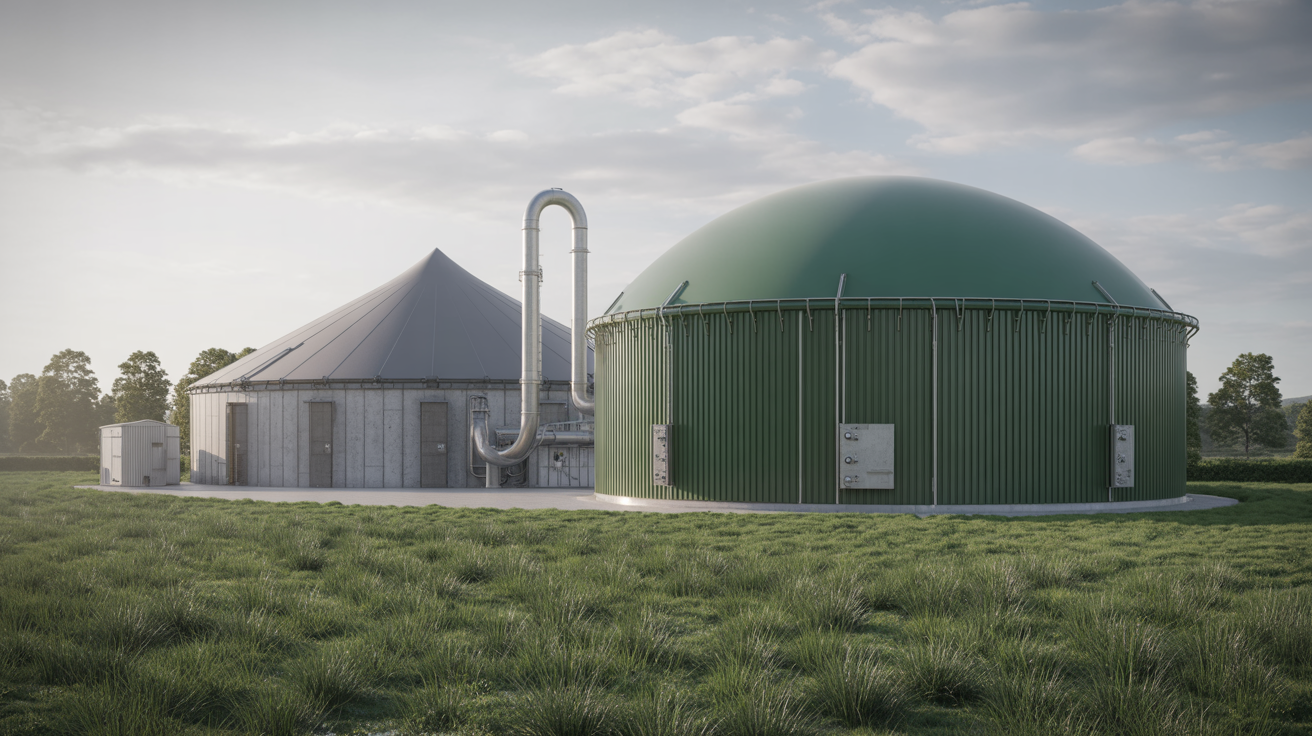
In the realm of biogas production, the term 'bioreactor' is of significant importance. It is the heart of the biogas production process, where organic waste is converted into valuable biogas. This article will delve into the intricacies of bioreactors, explaining the key terms and concepts related to them in the context of biogas production.
Understanding the workings of a bioreactor is crucial for anyone involved in the biogas industry. It is not just a container where waste is dumped and forgotten; it is a complex system that requires careful management and understanding. The following sections will provide a detailed breakdown of the various aspects of bioreactors, from their design and operation to the microbiology involved in the process.
What is a Bioreactor?
A bioreactor, in the context of biogas production, is a specially designed vessel or system where biological reactions take place. It is essentially a controlled environment where microorganisms break down organic matter in the absence of oxygen, a process known as anaerobic digestion. The end product of this process is biogas, a mixture of methane, carbon dioxide, and other trace gases.
The design and operation of a bioreactor are crucial for the efficient production of biogas. It must provide the right conditions for the microorganisms to thrive and carry out the digestion process. This includes maintaining the right temperature, pH level, and nutrient balance, among other factors.
Types of Bioreactors
There are several types of bioreactors used in biogas production, each with its own advantages and disadvantages. The most common types include the continuous stirred-tank reactor (CSTR), the plug flow reactor (PFR), and the upflow anaerobic sludge blanket (UASB) reactor.
The CSTR is a type of bioreactor where the contents are continuously stirred to ensure uniformity. This helps in maintaining consistent conditions throughout the reactor, which is beneficial for the microorganisms. The PFR, on the other hand, operates on the principle of moving the waste material through the reactor in a 'plug' or batch, without any back-mixing. The UASB reactor is a special type of reactor where the sludge blanket, a layer of microorganisms, is maintained in an upflow configuration.
Design Considerations for Bioreactors
The design of a bioreactor plays a crucial role in its efficiency and productivity. Several factors need to be considered, including the size and shape of the reactor, the type of mixing system used, the heating system, and the method of biogas collection.
The size and shape of the reactor are determined by the amount of waste to be treated and the space available. The mixing system is important to ensure uniform conditions throughout the reactor. The heating system is needed to maintain the optimal temperature for the microorganisms, while the biogas collection system ensures that the produced gas is captured efficiently.
Operation of a Bioreactor
The operation of a bioreactor involves several steps, starting with the feeding of the organic waste material. This is usually done on a regular schedule, depending on the type of reactor and the amount of waste to be treated. The waste material is then mixed and heated to the optimal conditions for the microorganisms.
The digestion process takes place over a period of time, during which the microorganisms break down the organic matter and produce biogas. The biogas is then collected and stored for further use. The remaining material, known as digestate, is removed from the reactor and can be used as a fertilizer.
Monitoring and Control
Monitoring and control are crucial aspects of bioreactor operation. This involves keeping a close eye on the conditions inside the reactor, such as the temperature, pH level, and nutrient balance. Any changes in these conditions can affect the efficiency of the digestion process and the quality of the biogas produced.
Control measures include adjusting the feeding schedule, the mixing and heating systems, and the pH level. Regular sampling and testing of the contents of the reactor can also provide valuable information on the progress of the digestion process and the health of the microorganisms.
Maintenance and Troubleshooting
Maintenance of a bioreactor involves regular cleaning and inspection to ensure that it is in good working condition. This includes checking the integrity of the reactor vessel, the mixing and heating systems, and the biogas collection system.
Troubleshooting involves identifying and resolving any issues that may arise during the operation of the bioreactor. This could be anything from a drop in biogas production to a change in the quality of the biogas. In such cases, it is important to identify the cause of the problem and take appropriate action to resolve it.
The Microbiology of Bioreactors
The microbiology of bioreactors is a complex and fascinating field. It involves understanding the various types of microorganisms involved in the digestion process, their roles, and their interactions with each other and with the environment inside the reactor.
The main types of microorganisms involved in the digestion process are bacteria and archaea. Bacteria are responsible for the initial breakdown of the organic matter, while archaea are responsible for the production of methane. The balance between these two groups of microorganisms is crucial for the efficient production of biogas.
The Role of Bacteria
Bacteria play a crucial role in the digestion process. They are responsible for the initial breakdown of the organic matter, converting it into simpler compounds. This is a complex process that involves several stages, including hydrolysis, acidogenesis, and acetogenesis.
Hydrolysis is the first stage, where complex organic compounds are broken down into simpler ones. Acidogenesis is the next stage, where these simpler compounds are converted into volatile fatty acids and other byproducts. Acetogenesis is the final stage, where these byproducts are converted into acetate, which is then used by the archaea to produce methane.
The Role of Archaea
Archaea are a group of microorganisms that are responsible for the production of methane in the digestion process. They use the acetate produced by the bacteria, along with carbon dioxide and hydrogen, to produce methane and water. This process is known as methanogenesis.
Archaea are a crucial part of the microbiology of bioreactors, as they are responsible for the production of the valuable biogas. However, they are also sensitive to changes in the environment inside the reactor, and their activity can be affected by factors such as temperature, pH level, and nutrient balance.
Biogas and Its Uses
Biogas, the end product of the digestion process in a bioreactor, is a valuable resource. It is a mixture of gases, primarily methane and carbon dioxide, with traces of other gases such as hydrogen sulfide. Biogas can be used as a source of renewable energy, replacing fossil fuels in various applications.
The methane in biogas can be used as a fuel for heating, cooking, and electricity generation. It can also be upgraded to biomethane, a renewable natural gas that can be injected into the gas grid or used as a vehicle fuel. The carbon dioxide in biogas can also be captured and used in various applications, such as greenhouse cultivation and carbonated beverages.
Biogas Upgrading
Biogas upgrading is the process of removing impurities from biogas and increasing the concentration of methane. This produces a high-quality gas, known as biomethane, which can be used in the same applications as natural gas. The upgrading process involves several steps, including desulfurization, dehydration, and carbon dioxide removal.
Desulfurization is the removal of hydrogen sulfide, a corrosive and toxic gas that can damage equipment and pose health risks. Dehydration is the removal of water vapor, which can also cause corrosion and reduce the energy content of the gas. Carbon dioxide removal is the final step, which increases the concentration of methane and improves the quality of the gas.
Uses of Digestate
The digestate, the material left over after the digestion process, is also a valuable resource. It is rich in nutrients and can be used as a fertilizer in agriculture. The use of digestate as a fertilizer can help improve soil health and reduce the need for synthetic fertilizers, contributing to sustainable agriculture.
However, the use of digestate as a fertilizer also requires careful management. It needs to be properly treated and stored to prevent the release of greenhouse gases and the contamination of water resources. The nutrient content of the digestate also needs to be matched with the nutrient needs of the crops to prevent over-fertilization and nutrient runoff.
Challenges and Future Directions
While bioreactors and biogas production offer many benefits, they also face several challenges. These include technical challenges related to the design and operation of bioreactors, economic challenges related to the cost of biogas production and upgrading, and environmental challenges related to the management of digestate and the mitigation of greenhouse gas emissions.
Future directions in the field of biogas production include the development of more efficient and cost-effective bioreactor designs, the optimization of the digestion process through microbiological research, and the exploration of new uses for biogas and digestate. Advances in these areas can help make biogas production a more viable and sustainable option for waste management and renewable energy production.
Technical Challenges
Technical challenges in biogas production include issues related to the design and operation of bioreactors. These include the need for more efficient mixing and heating systems, the management of foam and scum, and the control of the digestion process. Advances in engineering and technology can help address these challenges and improve the efficiency and productivity of bioreactors.
Another technical challenge is the upgrading of biogas to biomethane. While several methods are available, they can be costly and energy-intensive. Research is ongoing to develop more efficient and cost-effective upgrading methods, including biological methods that use microorganisms to remove carbon dioxide and other impurities.
Economic Challenges
Economic challenges in biogas production include the high cost of bioreactor construction and operation, the cost of biogas upgrading, and the low market price of biogas and biomethane. These challenges can make biogas production less competitive compared to other forms of renewable energy, such as wind and solar.
However, the economic viability of biogas production can be improved through various measures. These include the use of low-cost materials and designs for bioreactors, the optimization of the digestion process to increase biogas yield, and the exploration of new markets and uses for biogas and biomethane. Government policies and incentives can also play a crucial role in supporting the biogas industry.
Environmental Challenges
Environmental challenges in biogas production include the management of digestate and the mitigation of greenhouse gas emissions. The digestate needs to be properly treated and stored to prevent the release of methane, a potent greenhouse gas, and the contamination of water resources. The nutrient content of the digestate also needs to be managed to prevent over-fertilization and nutrient runoff.
Greenhouse gas emissions from biogas production can be mitigated through various measures. These include the capture and use of methane from the digestion process, the use of biogas as a replacement for fossil fuels, and the capture and use of carbon dioxide from the biogas upgrading process. Research is ongoing to develop more effective and sustainable methods for digestate management and greenhouse gas mitigation.